Brown Eye Medical Clinic · Eyelid Surgery, Stem Cell Lifting & LSSA Liposuction in Seocho-gu, Seoul
5.0 Patient Satisfaction · Est. 2000
en-US

Medical Guide
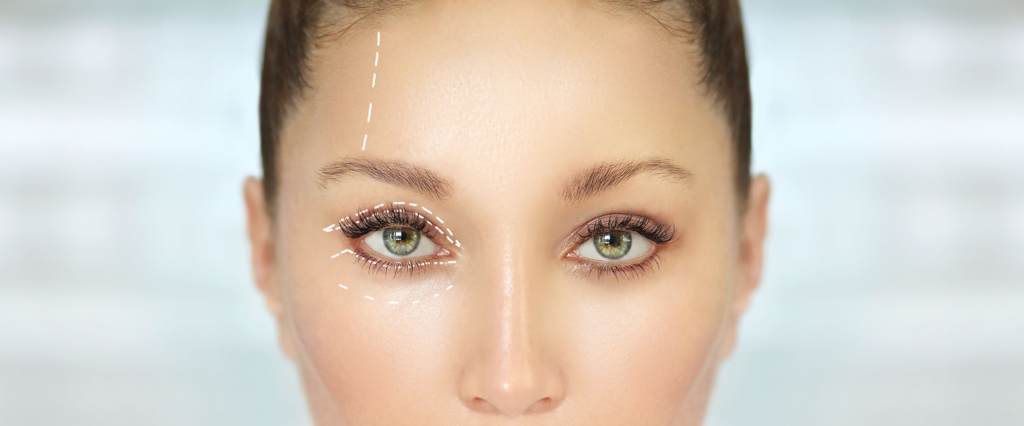
Advanced Imaging for Lower Eyelid Fat Repositioning Procedures in Korea
The demand for lower eyelid rejuvenation has surged in South Korea, with the cosmetic surgery market reaching an estimated USD 1.7 Billion in 2024 and projected to grow at a CAGR of 8.7% through 2033.
Schedule a ConsultationThe demand for lower eyelid rejuvenation has surged in South Korea, with the cosmetic surgery market reaching an estimated USD 1.7 Billion in 2024 and projected to grow at a CAGR of 8.7% through 2033. As one of the most requested procedures among patients aged 30–70, under-eye fat repositioning has evolved from simple "fat removal" to a sophisticated restorative art. A nationwide trend shows that patients no longer want the hollowed-out look of the past; they seek a smooth, natural transition from the eyelid to the cheek.
At Brown Eye Medical Clinic, we recognize that the lower eyelid is one of the most anatomically complex areas of the face. Achieving a refreshed look requires more than just surgical skill—it requires high-precision diagnostic data. This article explores how advanced imaging and specialized surgical protocols are reshaping the standards for lower eyelid surgery in Korea, ensuring safer outcomes and long-lasting aesthetic harmony.
Lower Eyelid Surgery in Korea: Benefits, Risks, and Ideal Candidates

Lower eyelid surgery, or lower blepharoplasty, is primarily designed to address "bags" caused by orbital fat prolapse and "hollows" known as tear troughs. In Korea, the transconjunctival approach (internal incision) has become the gold standard for patients seeking a scarless recovery.
Who is an Ideal Candidate?
- Aged 30–45: Often deal with "puffy" bags but retain good skin elasticity.
- Aged 50–70: May require a combination of fat repositioning and skin tightening (transcutaneous approach) to address sagging.
- Common Concerns: Persistent dark circles caused by shadows, a perpetually "tired" appearance, and deep grooves between the eye and cheek.
Potential Risks
While generally safe, standard procedures without precise planning can lead to complications such as:
- Over-resection: Creating a sunken, aged appearance.
- Asymmetry: Uneven fat distribution between the two eyes.
- Ectropion: A pulling down of the lower lid, often seen in traditional external surgeries without structural support.
Why is Advanced Imaging Essential for Under-Eye Fat Repositioning?
Traditional eyelid surgery often relies on a physical examination alone. However, the thickness of the skin and the exact volume of herniated fat can be deceptive. This is where Advanced Imaging and AI-Assisted Planning change the trajectory of the treatment.
Current Standard Approaches & Limitations
In many conventional settings, surgeons use a "one-size-fits-all" method.
| Method | Approach | Key Limitation |
|---|---|---|
| Simple Fat Removal | Excision of fat pads | Often leads to a "hollowed" look as the patient ages. |
| Traditional Injections | Fillers or Botox | Temporary (6–12 months) and does not fix the underlying structural fat bulge. |
| Classic Blepharoplasty | External incision | Higher risk of visible scarring and longer downtime (3–4 weeks). |
Common Pain Points: Patients frequently report that fillers under the eyes can look "lumpy" or cause a bluish tint (Tyndall effect), while older surgical methods may require repeated "touch-ups" due to inaccurate initial fat assessment.
The Innovative Approach: AI-Guided Under-Eye Analysis & Fat Repositioning

The modern breakthrough in Korean oculoplastics is the integration of AI-Assisted Planning and 3D Imaging. Instead of simply removing fat, this tech-driven approach treats the under-eye area as a three-dimensional landscape.
How AI-Assisted Planning Works
- High-Resolution Scanning: 3D facial scanners map the "hills" (fat bulges) and "valleys" (tear troughs) with sub-millimeter accuracy.
- Predictive Modeling: AI software simulates the post-operative result, allowing the surgeon to see exactly how much fat needs to be moved—not removed—to fill the hollows.
- Customized Repositioning: Using these "blueprints," the surgeon performs a transconjunctival repositioning, anchoring the fat to the orbital rim to prevent future sagging.
Is AI-Guided Eyelid Surgery in Korea worth the cost?
Yes. While the initial investment of ₩2,000,000 to ₩5,500,000 (approx. $1,500 – $4,000 USD) is higher than temporary fillers, the precision of AI-assisted planning significantly reduces the risk of revision surgery. It provides a permanent, natural-looking solution by addressing the root cause of under-eye shadows.
Data & Outcomes: Anchoring Results with Numbers
Market reports indicate that the "revision rate" for eyelid surgeries performed with advanced imaging and fat repositioning is significantly lower than that of traditional fat excision.
Comparison of Approaches
| Feature | Conventional Fat Removal | AI-Assisted Fat Repositioning |
|---|---|---|
| Primary Goal | De-bulking (Reduction) | Re-contouring (Restoration) |
| Recovery Time | 2–3 weeks | 1–2 weeks (Minimally Invasive) |
| Scarring Risk | Moderate (if external) | Nearly Zero (Internal incision) |
| Outcome Longevity | Variable (Skin may sag) | Long-term (Structural fix) |
| Precision Tech | Manual estimation | 3D Scanning & AI Prediction |
Local Korea Insights: Why Patients Choose Tech-Driven Care
Korean patients are known for being "tech-savvy" and demanding minimal downtime. This has driven the local market toward "Scarless" Lower Blepharoplasty.
- The "Speed" Culture: Most patients expect to return to daily life within 3–5 days. High-precision imaging reduces surgical trauma, which directly translates to faster healing.
- Aesthetic Standards: The "Love Band" (Aegyo-sal) is a unique Korean aesthetic preference. Advanced imaging helps surgeons preserve this natural fullness while removing the tired "bags" just below it.
- Regulatory Context: South Korea’s specialized acts for medical innovation have allowed clinics in districts like Gangnam to adopt the latest 3D microsurgery tools (like SCOPEYE) faster than many Western counterparts.
Where Brown Eye Medical Clinic Fits in Eyelid Surgery in Korea
Brown Eye Medical Clinic specializes in the intersection of ophthalmic safety and plastic surgery excellence. Located in the heart of Seoul (Seocho-gu), our clinic is led by Dr. Hansen Lee a USMLE-certified surgeon who brings a global standard of care to every procedure.
Our approach to Lower Eyelid Fat Repositioning is built on a "Function-First" philosophy. We believe that aesthetic beauty should never compromise eye health. At Brown Eye Medical Clinic, we use:
- 1:1 Personalized Planning: Every patient undergoes a detailed anatomical evaluation to determine the specific ratio of fat repositioning vs. skin tightening needed.
- Minimally Invasive Protocols: Our focus on transconjunctival techniques ensures that our patients—both local and international—achieve a refreshed look without visible surgical markers.
- Safety-Centric Care: With 25 years of combined medical team experience, we prioritize precise fat anchoring to ensure the results remain stable as the patient ages.
Conclusion
The prevalence of under-eye concerns affects nearly 1 in 5 adults in Korea as they age, impacting both self-confidence and professional image. While conventional treatments offer temporary fixes, the shift toward AI-Assisted Fat Repositioning represents a more permanent, data-driven path to rejuvenation. By moving away from invasive excision and toward high-precision restoration, patients can achieve a naturally rested appearance with minimal risk.
Patients considering Lower Eyelid Fat Repositioning in Korea can schedule a consultation at Brown Eye Medical Clinic to discuss whether this advanced imaging-led approach is suitable for their specific goals.
More Articles
Continue reading our clinical guides and insights.
Relieve Knee and Hip Pain with Stem Cell Therapy
Relieve knee and hip pain with advanced stem cell therapy. Discover a non-surgical option to reduce inflammation and restore mobility—book a consultation today!
Learn More

Achieve Firmer, Younger Skin Without Surgery
Achieve firmer, younger-looking skin without surgery using non-invasive treatments. Restore your glow and confidence—explore your options today!
Learn More

How Eyelid Surgery Can Help You Look Less Tired
Discover how eyelid surgery can help you look less tired by reducing puffiness and sagging. Refresh your appearance—schedule a consultation today!
Learn More