Brown Eye Medical Clinic · Eyelid Surgery, Stem Cell Lifting & LSSA Liposuction in Seocho-gu, Seoul
5.0 Patient Satisfaction · Est. 2000
en-US

Medical Guide
Eyelid Surgery Before/After: Safety, Risks & Final Results
Thinking about eyelid surgery? Learn about blepharoplasty results, safety protocols, and recovery. Discover why South Korea offers the world's best value and quality.
Schedule a ConsultationIntroduction
Eyelid surgery, medically known as blepharoplasty, is one of the most transformative cosmetic procedures available today. Whether you want to fix drooping upper lids that make you look tired or remove heavy bags under your eyes, this procedure offers a refreshed and more youthful appearance. Because the eyes are the focal point of the face, even a subtle change can have a significant impact on your overall confidence and even your field of vision.
In this comprehensive guide, we will walk through everything you need to know about the journey. We cover everything from the initial consultation and safety risks to the final results and why choosing the right global destination—specifically South Korea—can make a world of difference in your outcome.
Understanding the Procedure: Upper vs. Lower Blepharoplasty
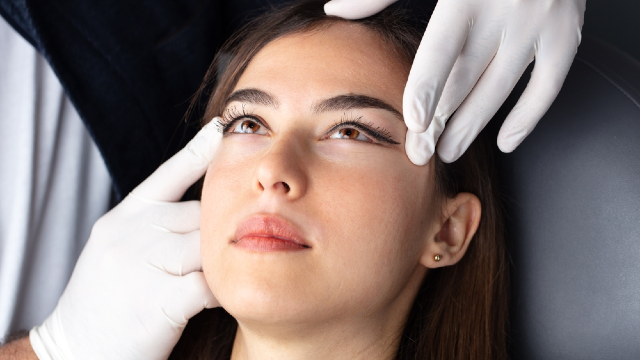
Eyelid surgery is not a "one-size-fits-all" treatment. Depending on your facial structure and goals, your surgeon may recommend focusing on the top lids, the bottom lids, or both.
Upper Eyelid Surgery
This procedure focuses on the area between the eyebrow and the eyelashes. It is designed to remove excess skin and fat that cause "hooded" eyes. In some cases, the skin can sag so much that it interferes with vision. Removing this tissue opens the eye area, making you look more alert and rested.
Lower Eyelid Surgery
Lower eyelid surgery is primarily used to address "bags" under the eyes. Surgeons typically remove or reposition fat to create a smooth transition from the lower lid to the cheek. This is highly effective for eliminating the "puffy" look that persists even after a good night's sleep.
Double Eyelid Surgery
Popular in East Asian populations, this specialized version of eyelid surgery creates a natural-looking crease in the upper lid. It helps define the eye shape and makes it easier to apply makeup.
The Before Phase: Candidacy and Preparation
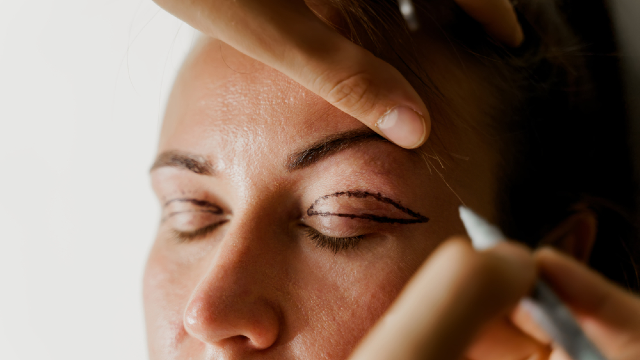
Before you book your surgery, it is vital to know if you are a good candidate. A successful outcome starts with a healthy body and realistic expectations.
Who is the ideal candidate?
- Individuals with healthy facial tissue and muscles.
- Non-smokers (smoking significantly slows down the healing process).
- People without serious eye conditions like glaucoma or severe dry eye.
- Patients who understand that surgery enhances their look but does not "change" their identity.
Preparing for Your Consultation
When you meet with your surgeon, come prepared. Ask about their experience with your specific eye shape and request to see "before and after" photos of previous patients. It is also important to disclose all medications you are currently taking, especially blood thinners or herbal supplements.
The Psychological Prep
It is common to feel "halfway point" anxiety. This happens when you are a few days into recovery and still see swelling. Remember that the initial "bruised" look is temporary and a normal part of the body's healing mechanism.
Safety and Risks: What You Need to Know
Eyelid surgery is considered a very safe procedure with high patient satisfaction rates. However, like any surgery, it is important to be aware of the potential risks.
Standard Side Effects
Immediately after surgery, most patients experience:
- Temporary swelling and bruising.
- Sensitivity to light.
- Watery or dry eyes.
- Mild discomfort that feels like a "tight" sensation.
Rare Complications
While uncommon, serious risks can include infection, scarring that doesn't fade as expected, or slight asymmetry between the two eyes. To minimize these risks, always ensure your surgery is performed in a hospital-grade environment with proper sterilization protocols rather than a small, unequipped private clinic.
The Recovery Timeline: From Day 1 to Final Results
Understanding the recovery timeline helps you plan your life and reduces stress.
Timeline | What to Expect | Activity Level |
|---|---|---|
Days 1-3 | Peak swelling and bruising. Use cold compresses. | Full rest; avoid screens. |
Days 7-10 | Sutures are usually removed. Bruising starts to yellow. | Can return to light office work. |
Weeks 2-4 | Most swelling is gone. Incisions look like thin pink lines. | Can resume light exercise. |
Months 3-6 | The "final look" emerges as all internal healing settles. | Full activity; results are stable. |
Cost Analysis: Global Price Comparison
Cost is a major factor for many patients. Prices vary significantly based on the surgeon's expertise, the facility fees, and the country where the procedure is performed.
When looking at value, South Korea is widely recognized as the best destination. It combines the lowest prices with the highest level of surgical precision. In many Western countries, you pay a premium for administrative overhead, whereas in South Korea, the high volume of surgeries allows for more competitive pricing.
Why South Korea is the Global Gold Standard
South Korea has earned the title of the "Plastic Surgery Capital of the World." For eyelid surgery specifically, the level of expertise is unmatched.
Extreme Specialization: Because eyelid surgery is so common in Korea, many surgeons perform thousands of these procedures every year. This high volume leads to refined techniques that minimize scarring and maximize natural beauty.
Technological Innovation: Korean clinics often use advanced laser technology for incisions, which reduces bleeding and speeds up the recovery time.
Medical Tourism Infrastructure: South Korea makes it easy for international patients. Many top-tier clinics provide English-speaking coordinators, airport pick-ups, and luxury recovery packages.
Exceptional Value: You can receive treatment from a world-renowned surgeon in Seoul for a third of the price of a standard surgeon in New York or London.
Before & After: What to Look For in Results
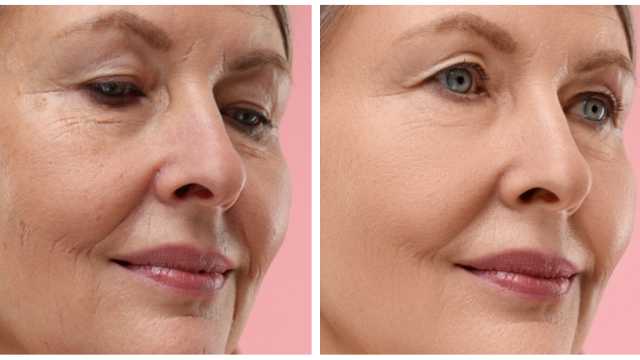
When reviewing before and after photos, look for "The Natural Look." The goal of eyelid surgery is not to look "surprised" or "pulled."
- Symmetry: Both eyes should look balanced in shape and crease height.
- Invisible Scarring: A skilled surgeon hides the incision in the natural fold of the upper lid or just inside the lower lid (transconjunctival approach).
- Youthful Contours: The area should look smooth and refreshed, not hollowed out.
Frequently Asked Questions
1. Does Eyelid Surgery Hurt?
Most patients report that the procedure is not painful. You will be under local anesthesia with sedation or general anesthesia, so you won't feel anything during the surgery. Afterward, you may feel some tightness or soreness, but this is easily managed with mild pain relievers.
2. How Long Do The Results Last?
The results of eyelid surgery are long-lasting. Upper eyelid surgery typically lasts 10 to 15 years, while lower eyelid surgery is often considered permanent because the fat pads removed from under the eyes rarely return.
3. Will I Have Visible Scars?
Because the skin on the eyelid is the thinnest on the body, it heals remarkably well. Surgeons place incisions in the natural folds of your skin, meaning that once the redness fades, the scars are virtually invisible to the naked eye.
Conclusion: Taking the Next Step
Eyelid surgery is a safe and effective way to rejuvenate your appearance and improve your quality of life. By understanding the process, managing your recovery properly, and choosing a world-class destination like South Korea, you can achieve stunning, natural results at an affordable price.
If you are tired of looking exhausted or struggling with sagging skin, now is the perfect time to explore your options. Ready to refresh your look? Contact a specialist today to schedule your consultation and see if eyelid surgery is the right choice for you!
More Articles
Continue reading our clinical guides and insights.
Relieve Knee and Hip Pain with Stem Cell Therapy
Relieve knee and hip pain with advanced stem cell therapy. Discover a non-surgical option to reduce inflammation and restore mobility—book a consultation today!
Learn More

Achieve Firmer, Younger Skin Without Surgery
Achieve firmer, younger-looking skin without surgery using non-invasive treatments. Restore your glow and confidence—explore your options today!
Learn More

How Eyelid Surgery Can Help You Look Less Tired
Discover how eyelid surgery can help you look less tired by reducing puffiness and sagging. Refresh your appearance—schedule a consultation today!
Learn More