Brown Eye Medical Clinic · Eyelid Surgery, Stem Cell Lifting & LSSA Liposuction in Seocho-gu, Seoul
5.0 Patient Satisfaction · Est. 2000
en-US


Medical Guide
Eyelid Surgery Safety: How Browneye Manages Pre-Op Risk
How Browneye Plastic Surgery approaches eyelid surgery safety, from pre-op checks and blood-thinner timing to realistic blepharoplasty recovery.
Schedule a ConsultationEyelid Surgery Safety: How Browneye Manages Pre-Op Risk
Medically reviewed by Dr Hansen Lee, Plastic Surgery Specialist, Browneye Plastic Surgery · Last updated July 2026
A thoughtful eyelid surgery safety protocol begins long before the day of the procedure. Blepharoplasty, or eyelid surgery, is one of the more commonly requested facial procedures, and much of what makes it a considered, well-planned experience happens in the preparation phase: the medical questions you answer, the medications you pause, and the honest conversation you have with your surgeon about your health and your goals. At Browneye Plastic Surgery in Seoul, upper and lower blepharoplasty is planned and performed by a plastic surgery specialist, and the clinic documents specific pre-operative steps intended to reduce avoidable risk. This article consolidates those documented steps alongside widely accepted, cited best practices so you can understand what responsible blepharoplasty risk management looks like. Results vary from person to person, and nothing here replaces an individual assessment.
Why Safety Planning Matters in Eyelid Surgery
Eyelid surgery works in a small, delicate area surrounded by important structures. The eyelids protect the eye, spread tears across its surface, and shield it from dust and injury. Because the tissue is thin and richly supplied with tiny blood vessels, careful planning around bleeding, healing, and eye protection is central to a smooth experience.
The core purpose of a safety protocol is simple: to identify anything that could complicate surgery or recovery before it becomes a problem, and to give your body the best possible conditions to heal. That means reviewing your health history, understanding the medications and supplements you take, setting realistic expectations, and giving you clear instructions for the days before and after your procedure.
Blepharoplasty itself can address several concerns. According to the American Society of Plastic Surgeons, eyelid surgery can treat loose or sagging skin that disturbs the natural contour of the upper eyelid and sometimes impairs vision, fatty deposits that appear as puffiness, bags under the eyes, drooping lower eyelids, and excess skin or fine wrinkles of the lower lid. Whether your interest is primarily aesthetic, functional, or both, the same principle applies: good outcomes rest on good preparation.
Browneye's Documented Pre-Operative Safety Steps
Browneye Plastic Surgery documents a focused set of pre-operative instructions for eye surgery. These are the clinic's own published steps, and they align closely with general surgical guidance:
- Stop aspirin and similar blood-circulation-affecting medication about one week before surgery. These medications can increase bleeding and bruising during and after a procedure.
- Disclose any other medications to the doctor. A complete medication list allows your surgeon to weigh whether anything should be adjusted or paused in advance.
- Prepare sunglasses and a mask to wear after surgery. These simple items help protect the treated area and add comfort during early recovery.
The clinic's consultation process is also structured around gathering the right information. Browneye documents a sequence that includes an initial consultation through its contact page, a medical assessment of the eyelids, eye shape, skin laxity and fat deposits, a medical history review covering previous surgeries, medical conditions, medications and allergies, a comprehensive examination of upper and lower eyelid structure, and a personalized diagnosis. The surgeon then explains the recommended procedure, expected results, recovery period, and potential risks, and discusses realistic outcomes so you can ask questions before deciding to proceed.
This information-gathering stage is not a formality. It is where much of the actual risk reduction takes place, because it lets your surgeon tailor the plan to your anatomy and your health rather than applying a one-size-fits-all approach.
Building Your Eyelid Surgery Pre-Op Checklist
A practical eyelid surgery pre-op checklist brings together the clinic's documented steps and broadly accepted preparation guidance. Use the following as a starting point for the conversation you will have at your consultation, and follow the specific instructions your surgeon gives you, since they take priority over any general list.
- Complete your medical evaluation. The American Society of Plastic Surgeons notes that preparing for eyelid surgery may include lab testing or a medical evaluation. This helps confirm you are a suitable candidate and flags anything that needs attention first.
- Review every medication and supplement. Bring a written list of prescription drugs, over-the-counter medicines, vitamins, and herbal supplements. Mayo Clinic explains that your care provider will ask about your use of drugs, vitamins, herbal supplements, alcohol, and tobacco during the planning discussion.
- Pause blood thinners as directed. Browneye advises stopping aspirin and similar blood-circulation-affecting medication about a week before surgery. Mayo Clinic similarly lists stopping warfarin, aspirin, ibuprofen, naproxen, and other drugs or supplements that can increase bleeding, and stresses taking only medicines approved by your surgeon. Never stop a prescribed medication on your own; confirm timing with your physician.
- Consider stopping smoking. Mayo Clinic advises quitting smoking several weeks before surgery because smoking can reduce the body's ability to heal.
- Plan your logistics. Arrange transportation and, where recommended, someone to stay with you the first night. Prepare the sunglasses and mask Browneye recommends for after your procedure.
- Discuss your goals and expectations. A frank conversation about what you hope to achieve helps your surgeon confirm whether the procedure is likely to suit you and sets the stage for a satisfying outcome.
A checklist works best as a shared document between you and your surgeon. The items above are educational; your personalized instructions will be finalized during your consultation.
Blood Thinners, Aspirin, and Bleeding Risk
Because the eyelids are so vascular, bleeding control is one of the most important themes in eyelid surgery safety. This is why the timing of blood-thinning medications receives so much attention.
Browneye's guidance to stop aspirin and similar circulation-affecting medication roughly one week before surgery reflects a widely shared surgical principle. Aspirin, non-steroidal anti-inflammatory drugs such as ibuprofen and naproxen, prescription anticoagulants such as warfarin, and certain herbal supplements can all increase the tendency to bleed and bruise. Reducing that tendency before surgery can support a cleaner surgical field and a smoother early recovery.
Two cautions matter here. First, the right timing depends on the specific medication and on why you take it, so the instruction to "stop about a week before" is a general guide that must be confirmed for your situation. Second, some medications are prescribed for serious reasons, such as preventing blood clots, and stopping them without medical supervision can be dangerous. The safe approach is always to bring your full medication list to your consultation and let your surgeon and, where relevant, your prescribing physician decide what to pause and when. This is exactly why Browneye asks patients to disclose all medications during the medical history review.
The Medical Assessment and Consultation
The consultation is the heart of blepharoplasty risk management. Beyond gathering your history, it is where your surgeon evaluates your specific anatomy and decides whether and how to proceed.
Mayo Clinic describes a typical pre-surgical workup that may include a complete eye exam, testing of tear production, and measurement of parts of the eyelids. It also notes that providers you may meet with include a plastic surgeon, an eye specialist, or an oculoplastic surgeon who specializes in plastic surgery around the eyes. Certain existing conditions, such as dry eyes, glaucoma, thyroid problems, circulatory problems, or diabetes, are specifically relevant, which is why they are asked about.
At Browneye, the documented assessment evaluates the eyelids, eye shape, skin laxity, fat deposits, and overall facial balance, followed by a comprehensive look at eyelid structure, skin excess, muscle condition, and under-eye bags. From there the surgeon develops a customized surgical plan and explains the recommended approach. You can read more about the surgeon leading this process on the Dr Hansen Lee profile page, and you can learn about the clinic's background on the about us page.
A good consultation is a two-way exchange. It is the moment to raise your questions about anesthesia, technique, recovery, and anything about your health that might be relevant, so that the plan reflects your full picture.
Understanding the Risks: General Education
No surgery is without risk, and part of responsible preparation is understanding, in general terms, what those risks are. Detailed, individualized risk counseling is something your surgeon provides at consultation; the summary below is general education drawn from cited sources.
Understanding these possibilities is not meant to alarm you. It is meant to help you have an informed conversation and to recognize why the preparation steps described above exist. Most people who undergo eyelid surgery describe swelling and bruising as the main early experience, and serious complications are uncommon. Your surgeon will discuss which risks are most relevant to you and how the clinic works to minimize them. Because Browneye's documented risk and anesthesia details for this procedure are best confirmed directly, specifics should be reviewed at your consultation.
What Recovery Realistically Looks Like
Warning Signs to Report
More generally, contact your care team promptly if you notice signs that could suggest a complication, such as:
More Articles
Continue reading our clinical guides and insights.
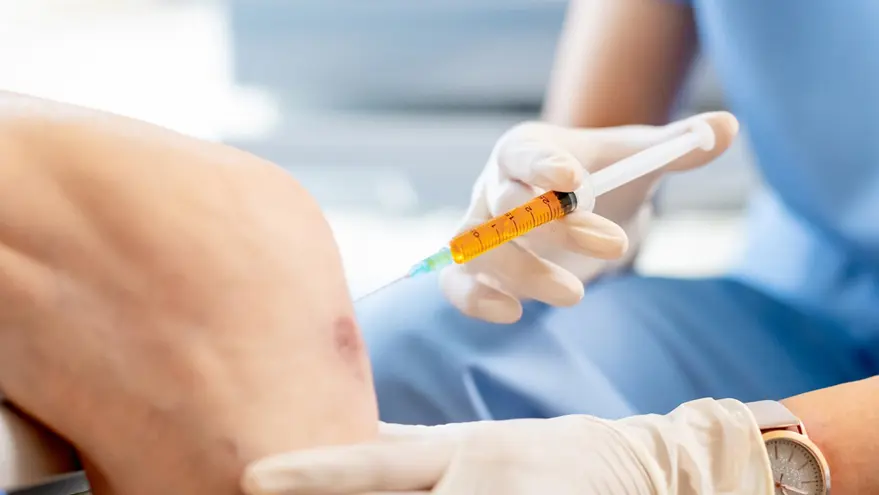
Relieve Knee and Hip Pain with Stem Cell Therapy
Relieve knee and hip pain with advanced stem cell therapy. Discover a non-surgical option to reduce inflammation and restore mobility—book a consultation today!
Learn More

Achieve Firmer, Younger Skin Without Surgery
Achieve firmer, younger-looking skin without surgery using non-invasive treatments. Restore your glow and confidence—explore your options today!
Learn More

How Eyelid Surgery Can Help You Look Less Tired
Discover how eyelid surgery can help you look less tired by reducing puffiness and sagging. Refresh your appearance—schedule a consultation today!
Learn More