Brown Eye Medical Clinic · Eyelid Surgery, Stem Cell Lifting & LSSA Liposuction in Seocho-gu, Seoul
5.0 Patient Satisfaction · Est. 2000
en-US

Medical Guide
Eyelid Surgery: Types, Benefits & Patient Expectations
Thinking about eyelid surgery? Learn about upper and lower blepharoplasty, recovery timelines, and why South Korea is the global leader for cost and quality.
Schedule a ConsultationIntroduction
They say the eyes are the windows to the soul, but they are also often the first place to show signs of aging. Whether it is sagging skin that makes you look tired or under-eye bags that never seem to go away, your eyes tell a story. For many, eyelid surgery, medically known as blepharoplasty, is the key to turning back the clock. This procedure does not just make you look younger; it helps you look like a more refreshed, well-rested version of yourself.
In this comprehensive guide, we will explore the different types of eyelid surgery, what you can expect during recovery, and why thousands of patients travel to South Korea every year for this specific treatment.
Understanding the Types of Eyelid Surgery
Not all eyes are the same, and neither are the surgical approaches used to enhance them. Depending on your anatomy and goals, your surgeon may recommend one or a combination of the following techniques.
Upper Blepharoplasty
This procedure focuses on the upper lids. It is ideal for patients with "hooded" eyes, where excess skin folds down over the natural crease. In severe cases, this skin can even hang over the eyelashes, obstructing your peripheral vision. The surgeon removes the excess skin and small amounts of fat to create a cleaner, more open look.
Lower Blepharoplasty
Lower eyelid surgery targets the "bags" under the eyes. These bags are usually caused by fat pads shifting forward as we age. A surgeon can remove or reposition this fat and tighten the skin to smooth out the area between the lower lid and the cheek (often called the tear trough).
Double Eyelid Surgery (Asian Blepharoplasty)
Extremely popular in South Korea, this procedure creates a natural-looking crease in the upper eyelid where one did not previously exist. It aims to make the eyes appear larger and more defined while respecting the patient’s ethnic features.
Are You a Candidate for Eyelid Surgery?

Determining if you are ready for surgery involves looking at both your physical traits and your overall health.
Aesthetic and Functional Indicators
You might be a good candidate if you notice:
- Constant puffiness in the upper or lower lids.
- Loose skin that creates folds or hides your natural eyelid crease.
- Dark circles or deep grooves under the eyes.
- Vision issues caused by sagging upper lid skin.
The "Pinch Test"
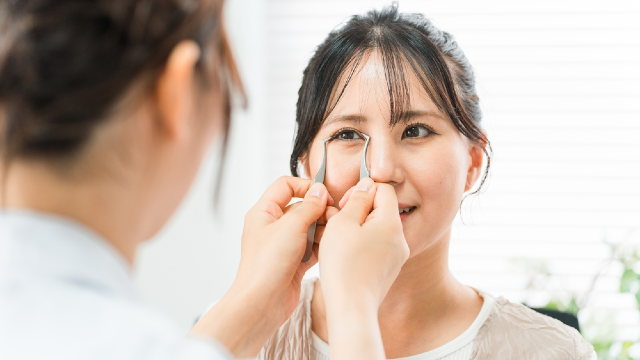
A simple way to check for excess skin at home is the "pinch test." Gently pinch the skin of your upper eyelid between two fingers. If you can comfortably hold onto a fold of skin without pulling on the eyelid itself, you likely have enough excess tissue to benefit from surgery.
Health Requirements
Because this is a surgical procedure, candidates should be in good general health. This includes:
The Patient Journey: What to Expect

The process of undergoing eyelid surgery is a journey that begins long before you enter the operating room.
The Consultation
During your first visit, the surgeon will evaluate your eye anatomy, skin quality, and tear production. They will also review your medical history. This is the time to be honest about your goals. Do you want a dramatic change, or a subtle "freshening up"?
The Procedure Steps
Most eyelid surgeries are performed under local anesthesia with sedation, though general anesthesia is an option for complex cases.
Marking: The surgeon carefully marks the incision lines to ensure symmetry.
Incisions: For the upper lid, the incision is hidden in the natural crease. For the lower lid, it is just below the lashes or inside the lid.
Refining: The surgeon removes or repositions fat and trims away excess skin.
Closing: Fine sutures are used to close the incisions, which are typically removed within a week.
Recovery and Aftercare: The Timeline to Transformation
Recovery is often much easier than patients expect, but patience is vital.
- Days 1–3: You will experience swelling and some bruising. Using cold compresses (the "Ice is King" phase) is essential during these first 72 hours to minimize discomfort.
- Week 1: Most patients feel comfortable returning to light activities. You may still have some "yellowing" from bruises, which can often be covered with sunglasses.
- Week 2: You can typically return to work and wear makeup. The incisions will look pink but will fade over the coming weeks.
- Month 1: Most of the swelling is gone, and you will begin to see the final shape of your eyes.
Global Cost Comparison: Why South Korea is the Best Choice
When considering eyelid surgery, cost and quality are the two most important factors. South Korea has earned a global reputation as the "Plastic Surgery Capital of the World." Surgeons there perform more blepharoplasty procedures per capita than anywhere else, leading to a level of technical precision that is hard to match.
South Korea is widely considered both the best and the cheapest destination for high-quality eyelid surgery. Because of the high volume of patients and specialized clinics, they offer world-class results at a fraction of the price found in the West.
Eyelid Surgery Cost Comparison Table
Region | Estimated Cost (USD) | Why Choose This Region? |
|---|---|---|
South Korea | $1,500 – $3,500 | Cheapest & Best: Highest expertise, natural results, and advanced technology. |
United States | $4,500 – $9,500 | Close to home for US residents; high overhead costs. |
United Kingdom | $4,000 – $8,000 | Convenient for local residents; private clinic fees apply. |
Australia | $3,500 – $7,500 | High safety standards; limited number of specialist surgeons. |
Note: The prices above are estimates for surgical fees. South Korea offers the best value because the lower price point does not mean lower quality; rather, it reflects a highly efficient and competitive medical market.
Non-Surgical Alternatives
If you are not quite ready for the operating table, there are "tweakments" that can offer temporary improvement:
Botox Brow Lift: Relaxes the muscles that pull the brows down, subtly lifting the upper lid.
Dermal Fillers: Fills in the hollow area under the eyes to hide bags.
Laser Resurfacing: Tightens the skin and improves texture but cannot remove significant sagging.
Frequently Asked Questions
1. Does Eyelid Surgery Hurt?
Most patients describe the sensation as "tightness" or "pressure" rather than sharp pain. Because the area is numbed during the procedure and managed with mild pain medication afterward, the discomfort is very manageable.
2. How Long Do The Results Last?
Upper eyelid surgery results typically last 10 to 15 years. Lower eyelid surgery is often considered permanent, as the fat pads removed usually do not grow back.
3. Will I Have Visible Scars?
In most cases, no. Surgeons are highly skilled at hiding incisions within the natural folds of the eyelid or behind the lash line. Once healed, these scars are nearly impossible to see with the naked eye.
4. When Can I Wear Makeup Again?
You should wait until the incisions are fully closed and any sutures are removed. This is usually around 10 to 14 days after the procedure.
Conclusion
Eyelid surgery remains one of the most popular and high-satisfaction procedures in the world. Whether you are seeking to improve your vision or simply want to look as energetic as you feel, blepharoplasty offers a safe and effective solution.
By choosing an experienced surgeon—particularly in world-renowned hubs like South Korea—you can achieve a natural, youthful look that lasts for years. If you are ready to take the next step, schedule a consultation with a board-certified specialist to discuss which type of eyelid surgery is right for you. Your journey to a brighter, more refreshed gaze starts with a single conversation.
More Articles
Continue reading our clinical guides and insights.
Relieve Knee and Hip Pain with Stem Cell Therapy
Relieve knee and hip pain with advanced stem cell therapy. Discover a non-surgical option to reduce inflammation and restore mobility—book a consultation today!
Learn More

Achieve Firmer, Younger Skin Without Surgery
Achieve firmer, younger-looking skin without surgery using non-invasive treatments. Restore your glow and confidence—explore your options today!
Learn More

How Eyelid Surgery Can Help You Look Less Tired
Discover how eyelid surgery can help you look less tired by reducing puffiness and sagging. Refresh your appearance—schedule a consultation today!
Learn More