Brown Eye Medical Clinic · Eyelid Surgery, Stem Cell Lifting & LSSA Liposuction in Seocho-gu, Seoul
5.0 Patient Satisfaction · Est. 2000
en-US


Medical Guide
How Long Does It Take to Recover from Lower Eyelid Surgery?
Discover lower eyelid surgery recovery timelines, key healing stages, and tips for best results. Learn more to prepare confidently for your procedure.
Schedule a ConsultationIf you’ve been considering lower eyelid surgery — whether to remove under-eye bags, improve puffiness, or create a more refreshed appearance — one of the first questions that naturally comes to mind is: “How long will the recovery take?”
It’s a good question, and one we answer almost daily at Brown Eye Medical Clinic, here on the 7th floor of the Somang Building in Seoul. With over 25 years of experience and more than 2,000 procedures performed each year, we’ve seen firsthand how lower eyelid recovery varies from person to person.
To be honest, most people imagine the recovery to be far more dramatic than it usually is. They picture weeks of swelling, dark bruises, and the inability to resume daily life — but modern techniques have changed everything.
Below, I’ll walk you through the real timeline, what happens at each stage, and how our clinic helps patients heal faster with natural-looking results.
What Exactly Happens During Lower Eyelid Surgery?

Lower eyelid surgery — medically known as lower blepharoplasty — is designed to correct under-eye bags, loose skin, and tired-looking contours. At Brown Eye Medical Clinic, Dr. Hansen Lee often uses a minimally invasive approach, combining surgical precision with techniques that reduce trauma to the tissue.
The most common methods include:
- Transconjunctival approach: removing or repositioning fat through the inner eyelid (no visible scar).
- Skin-muscle tightening: for patients with loose skin or fine wrinkles.
- Fat repositioning: smoothing the tear trough to create a more youthful under-eye contour.
Think of it as adjusting the shadows on a painting — sometimes brightening is enough, and sometimes the structure beneath needs tidying for the whole image to feel refreshed.
This surgical philosophy is why our patients often experience less swelling and a faster recovery compared to traditional techniques.
So, How Long Does Recovery Really Take?
The Short Answer:
Most patients return to daily activities in 7–10 days.
Full healing — including subtle swelling and final contour — generally takes 6–12 weeks.
But that’s the simple version. Let’s break it down into the stages so you know exactly what to expect.
Week-by-Week Recovery Timeline
Day 0–2: The Immediate Post-Surgery Phase
This is when most of the swelling appears, though patients are often surprised by how tolerable it is.
What you may experience:
- Mild to moderate swelling
- A heavy or “tight” sensation
- Minimal discomfort — usually manageable with cold compresses
- Blurred vision from ointment, not the surgery itself
At our clinic, we use specialized cooling systems and anti-inflammatory treatments immediately after surgery to help patients feel more comfortable and control swelling early.
Days 3–5: Bruising Peaks, Swelling Begins to Decrease
This is the stage where patients think, “Okay, this isn’t as bad as I feared.”
By this point:
- Bruising may reach its peak
- Swelling steadily decreases
- Stitches (if external) feel less tight
- Most patients can read, work on the computer, and resume light activities
Patients often tell us this is when they start feeling like themselves again.
Days 6–10: Returning to Normal Life
This is the most anticipated phase.
Typically:

Why Do Some Patients Heal Faster Than Others?
Every eyelid is different, and several factors influence healing:
1. Surgical Technique
Minimally invasive methods (like the transconjunctival approach) cause less tissue trauma, meaning:
- Less swelling
- Faster recovery
- No external scar
This method is used frequently in our clinic when appropriate.
2. Skin Thickness & Elasticity
Thicker or more elastic skin tends to recover faster, while thin or crepey skin may take longer to settle.
3. Age & Lifestyle
Younger patients and those who avoid alcohol and smoking typically heal more quickly.
4. Postoperative Care
Proper cooling, avoiding strenuous activity, and following medication instructions make a noticeable difference.
To be honest, the most dramatic differences we see between patients often come down to how diligently they follow aftercare.
How Brown Eye Medical Clinic Helps Speed Up Healing
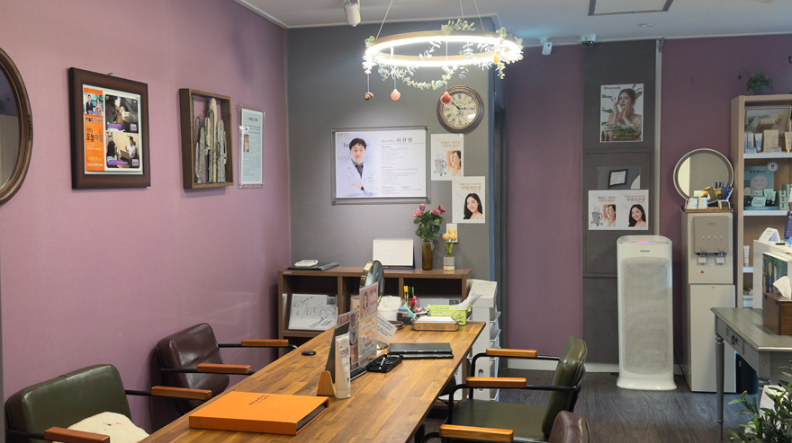
Over the past 25 years, we’ve refined a recovery-enhancing protocol that many patients say made their healing smoother than expected.
Our recovery-focused approach includes:
- Targeted cooling therapy within minutes of surgery
- Lymphatic drainage treatments (gentle and medically supervised) to reduce swelling
- Advanced scar care for patients who undergo external incisions
- High-quality stem cell serums to support healing and improve skin texture
We take a proactive, rather than reactive, approach — something that genuinely sets us apart. When you perform over 2,000 procedures a year, you learn what works and what doesn’t.
When Can You Return to Work, Exercise, and Daily Life?
Here’s a helpful guide based on our clinical experience:
Activity | Timeline |
|---|---|
Work (office/computer) | 5–7 days |
Light walking | 2–3 days |
Driving | After 48 hours (if vision feels clear) |
Makeup around the eyes | After 10–14 days |
Cardio | 2 weeks |
Strength training | 3–4 weeks |
Contact lenses | Typically 2 weeks |
Final aesthetic results | 2–3 months |
Of course, Dr. Hansen Lee individualizes every recommendation based on the surgical approach and your healing progress.
What If You Want Even Faster Recovery?
Some patients — especially international visitors or busy professionals — ask if there’s a way to recover even more quickly.
At Brown Eye Medical Clinic, we sometimes combine lower eyelid surgery with stem cell-based regenerative therapy or non-surgical tightening technologies to:
- Improve skin quality
- Reduce inflammation
- Speed up the healing response
- Create smoother, more natural contours
It’s one of the advantages of visiting a clinic that specializes in both surgical and non-surgical facial rejuvenation.
When Should You Be Concerned?
While serious complications are rare, you should contact your surgeon if you notice:
- Increasing redness or warmth around the incision
- Sudden vision changes
- Persistent or worsening pain
- Excessive bleeding
Our clinic provides direct postoperative support so patients always feel safe and cared for.
What Our Patients Often Tell Us
After two decades of performing lower blepharoplasty, we’ve heard a lot of post-op reflections. The most common?
- “I should have done this years ago.”
- “The recovery was easier than I expected.”
- “The natural result is exactly what I wanted.”
If you’re wondering whether it’s worth it — you’re not alone. But for many patients who struggle with under-eye bags or a tired appearance, lower eyelid surgery becomes one of the most transformative procedures they’ve ever done.
Final Thoughts: What You Can Expect
Lower eyelid surgery recovery is far more manageable than most people imagine. With modern techniques — especially the ones we prioritize at Brown Eye Medical Clinic — most patients comfortably return to normal life within a week.
But more importantly, the results don’t look “done.” They look refreshed, natural, and harmonious with the rest of your face.
If you’re curious whether you’re a good candidate, or if you’d like to explore both surgical and non-surgical options, we’d be happy to guide you. After all, our clinic’s philosophy is simple: every patient deserves personalized, compassionate, and expertly delivered care.
More Articles
Continue reading our clinical guides and insights.
Relieve Knee and Hip Pain with Stem Cell Therapy
Relieve knee and hip pain with advanced stem cell therapy. Discover a non-surgical option to reduce inflammation and restore mobility—book a consultation today!
Learn More

Achieve Firmer, Younger Skin Without Surgery
Achieve firmer, younger-looking skin without surgery using non-invasive treatments. Restore your glow and confidence—explore your options today!
Learn More

How Eyelid Surgery Can Help You Look Less Tired
Discover how eyelid surgery can help you look less tired by reducing puffiness and sagging. Refresh your appearance—schedule a consultation today!
Learn More