Brown Eye Medical Clinic · Eyelid Surgery, Stem Cell Lifting & LSSA Liposuction in Seocho-gu, Seoul
5.0 Patient Satisfaction · Est. 2000
en-US

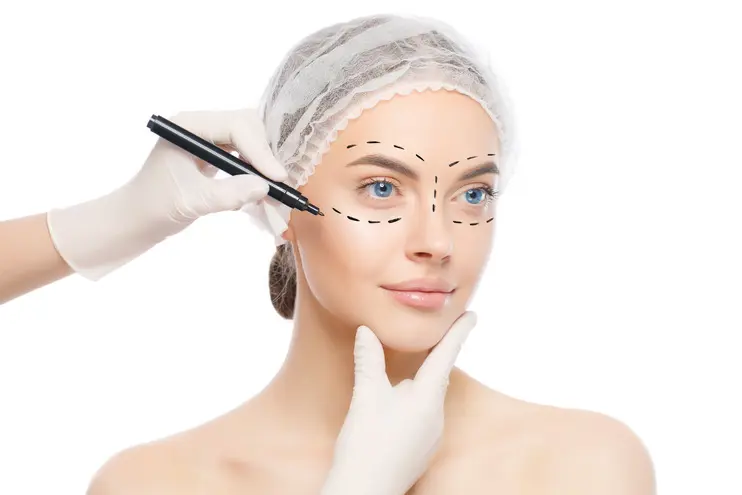
Medical Guide
How Safe Is Eyelid Surgery? What You Need to Know
How safe is eyelid surgery? Learn about the risks, benefits, and recovery to make an informed choice for youthful, refreshed eyes. Discover what to expect now!
Schedule a Consultation
If you’ve ever stood in front of a mirror gently lifting the skin around your eyes and wondered, “Would eyelid surgery really be safe for me?” — you’re not alone.
At Brown Eye Medical Clinic in Seoul, this is one of the most common questions we hear from patients, both local and international. And to be honest, it’s a good question. The eyes are delicate. They’re expressive. They’re central to how we recognize one another. Any procedure in this area deserves careful thought, clear information, and realistic expectations.
So let’s talk openly about eyelid surgery — what it is, how safe it truly is, what people often overlook, and how safety is determined not just by the procedure itself, but by who performs it and how it’s approached.
This is not a sales pitch. It’s a grounded, experience-based explanation meant to help you make an informed decision.
Why Eyelid Surgery Feels So Intimidating
Eyelid surgery, medically known as blepharoplasty, often sounds more serious than it actually is. That’s partly because the word “surgery” carries weight — and partly because we instinctively protect our eyes more than almost any other part of the body.
What many people don’t realize is that eyelid surgery is one of the most frequently performed aesthetic procedures worldwide, and when done correctly, it has one of the highest satisfaction rates in facial aesthetics.
At Brown Eye Medical Clinic, where we perform over 2,000 minimally invasive procedures annually, eyelid surgery is approached not as a cosmetic shortcut, but as a functional and aesthetic refinement. The goal is never to change who you are — it’s to remove what’s interfering with how your eyes naturally want to express themselves.
What Exactly Is Eyelid Surgery?
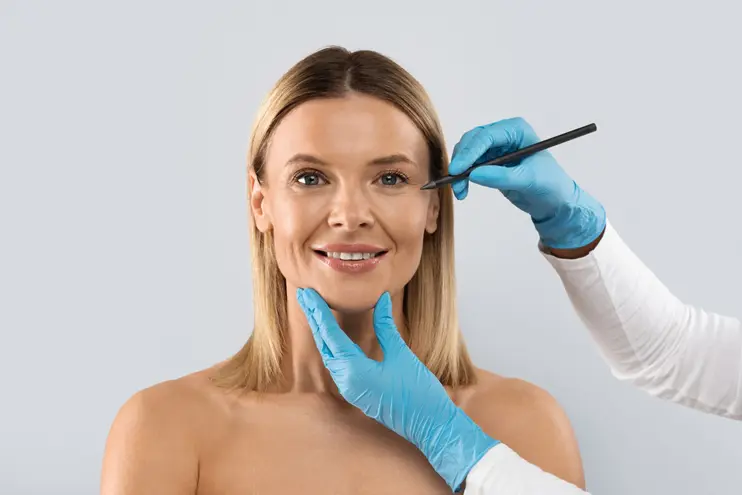
Eyelid surgery is not a single, one-size-fits-all procedure. It’s a category that includes several techniques, depending on anatomy, age, skin thickness, muscle tone, and personal goals.
Upper Eyelid Surgery
Typically focuses on:
- Removing excess skin that causes heaviness or drooping
- Improving field of vision when sagging skin interferes
- Creating a more alert, rested appearance
Lower Eyelid Surgery
Often addresses:
- Under-eye bags caused by fat protrusion
- Loose or crepey skin
- Shadowing that makes the eyes look tired
Some patients need only minimal adjustment. Others benefit from fat repositioning, muscle tightening, or non-surgical adjuncts like skin tightening or regenerative therapies.
This distinction matters — because safety is directly tied to personalization.
So, How Safe Is Eyelid Surgery?
The Short Answer
When performed by an experienced, medically trained physician using modern techniques, eyelid surgery is considered very safe.
The More Honest Answer
Safety depends on three critical factors:
Patient selection
Surgical technique
Post-procedure care
At Brown Eye Medical Clinic, eyelid surgery is never treated as a cosmetic trend. It’s evaluated medically — with attention to eye health, facial balance, skin elasticity, and healing capacity.
Dr. Hansen Lee, a USMLE-certified physician with over 25 years of clinical experience, approaches eyelid procedures conservatively. That means:
- No over-removal of skin
- No aggressive fat excision
- No “cookie-cutter” eyelid shapes
Because paradoxically, the biggest risks in eyelid surgery often come from doing too much, not too little.
Understanding the Real Risks (Without Fear-Mongering)
Every medical procedure carries some degree of risk — and any clinic that tells you otherwise isn’t being honest.
That said, serious complications from eyelid surgery are rare, especially when performed by experienced hands.
Possible Risks Include:
- Temporary swelling or bruising
- Mild dryness or irritation
- Asymmetry during early healing
- Delayed swelling in sensitive patients
Rare but Serious Risks:
- Infection
- Bleeding behind the eye
- Difficulty closing the eyes fully (usually temporary when properly managed)
At Brown Eye Medical Clinic, extensive pre-procedure screening, conservative planning, and meticulous technique significantly reduce these risks. Patients are also closely monitored after treatment — because safety doesn’t end when the procedure does.
Local vs. General Anesthesia: Why It Matters
One reason eyelid surgery is safer today than it was decades ago is the use of local anesthesia with sedation, rather than general anesthesia in most cases.
This approach:
- Reduces systemic risk
- Allows faster recovery
- Enables real-time assessment of eyelid symmetry
For many patients, the procedure feels more like a controlled medical treatment than a traditional surgery. Most are surprised by how manageable the experience actually is.
Recovery: What Patients Often Underestimate
If you’re wondering whether recovery is “serious” — you’re not alone.
The truth is, recovery is usually straightforward, but it requires patience.
Typical Recovery Timeline
- First 2–3 days: Swelling, tightness, mild bruising
- 1 week: Sutures removed (if applicable), visible swelling decreases
- 2–4 weeks: Eyes begin to look natural
- 2–3 months: Final results settle
At Brown Eye Medical Clinic, recovery protocols are individualized. Some patients combine eyelid surgery with regenerative treatments — such as stem cell-based skin rejuvenation — to support healing and improve skin quality during recovery.
This integrative approach is one of the clinic’s distinguishing features.
Is Eyelid Surgery Safer Than It Used to Be?
Absolutely — and not by a small margin.
Advancements in:
- Surgical instruments
- Anatomical understanding
- Non-invasive adjunct treatments
- Regenerative medicine
have transformed eyelid surgery into a far more refined procedure than it once was.
What people often overlook is that modern eyelid surgery is as much about preservation as it is about correction. The emphasis has shifted toward maintaining muscle function, protecting eye health, and achieving natural results that age well.
This philosophy is central to how Brown Eye Medical Clinic approaches all aesthetic treatments.
Who Should Be More Cautious?
While eyelid surgery is safe for most healthy adults, certain conditions require extra evaluation:
- Severe dry eye syndrome
- Thyroid eye disease
- Bleeding disorders
- Uncontrolled diabetes
- Previous complicated eye surgeries
This doesn’t automatically disqualify someone — but it does mean the procedure must be planned with heightened care, or sometimes replaced with non-surgical alternatives.
A responsible clinic will tell you when not to proceed.
Non-Surgical Alternatives: A Safer Option for Some?
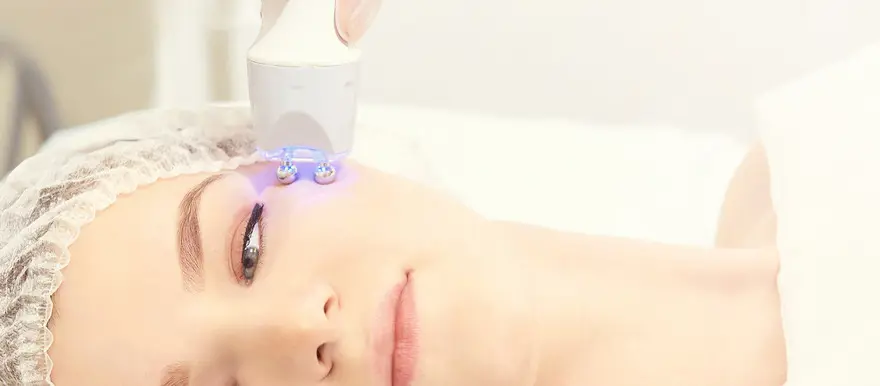
One of the most important safety considerations is knowing when surgery isn’t necessary.
At Brown Eye Medical Clinic, many patients initially come in asking about eyelid surgery — and leave with a non-surgical plan instead.
Options may include:
- Non-surgical skin tightening
- Energy-based lifting treatments
- Regenerative stem cell therapies
- Fat repositioning without excision
In some cases, these approaches can delay or completely eliminate the need for surgery — with virtually no downtime.
Safety isn’t just about avoiding complications. It’s about choosing the least invasive option that achieves the desired result.
Long-Term Safety and Satisfaction
One of the strongest indicators of safety is long-term patient satisfaction.
Patients who undergo eyelid surgery at Brown Eye Medical Clinic often report:
- Improved confidence without looking “done”
- Reduced eye fatigue
- Brighter, more open facial expression
- Results that age naturally over time
Because the clinic prioritizes natural anatomy and minimal intervention, revisions are uncommon — and that’s one of the most meaningful safety metrics there is.
Choosing the Right Clinic: The Hidden Safety Factor
Here’s something rarely said out loud:
Most eyelid surgery complications are not caused by the procedure — they’re caused by poor judgment.
Judgment about:
- How much skin to remove
- Whether surgery is appropriate at all
- How to balance both eyes
- When to stop
This is why experience matters more than marketing.
Brown Eye Medical Clinic’s 25+ years of clinical experience, combined with Dr. Hansen Lee’s US medical training and focus on minimally invasive techniques, provides a safety framework that goes beyond checklists and equipment.
It’s about understanding faces — and people — in real life, not just in textbooks.
So, Is Eyelid Surgery Safe?
When approached thoughtfully, conservatively, and with the right expertise — yes, it is one of the safest and most rewarding aesthetic procedures available.
But safety doesn’t come from the procedure alone.
It comes from:
- Honest evaluation
- Personalized planning
- Experienced hands
- And a philosophy that values natural results over dramatic change
If you’re considering eyelid surgery and want clarity rather than pressure, a personalized consultation at Brown Eye Medical Clinic can help you understand whether surgery — or a non-surgical alternative — is right for you.
Because the safest decision is always an informed one.
More Articles
Continue reading our clinical guides and insights.
Relieve Knee and Hip Pain with Stem Cell Therapy
Relieve knee and hip pain with advanced stem cell therapy. Discover a non-surgical option to reduce inflammation and restore mobility—book a consultation today!
Learn More

Achieve Firmer, Younger Skin Without Surgery
Achieve firmer, younger-looking skin without surgery using non-invasive treatments. Restore your glow and confidence—explore your options today!
Learn More

How Eyelid Surgery Can Help You Look Less Tired
Discover how eyelid surgery can help you look less tired by reducing puffiness and sagging. Refresh your appearance—schedule a consultation today!
Learn More