Brown Eye Medical Clinic · Eyelid Surgery, Stem Cell Lifting & LSSA Liposuction in Seocho-gu, Seoul
5.0 Patient Satisfaction · Est. 2000
en-US


Medical Guide
How to Reduce Swelling After LSSA Liposuction
Learn how to reduce swelling after LSSA liposuction with expert tips on recovery, diet, and care routines. Speed up healing and see results faster—read more now!
Schedule a ConsultationSwelling after liposuction is one of those things everyone worries about—but few people fully understand. To be honest, swelling isn’t a complication; it’s a biological response. After LSSA liposuction, your body is recalibrating. Fluids shift. Inflammation rises, then resolves. Tissues tighten and adapt to their new contours.
What matters most isn’t whether swelling happens—it will—but how well it’s managed.
At Brown Eye Medical Clinic, located in the heart of Seoul, post-procedure care is treated with the same precision as the procedure itself. With over 25 years of clinical experience and more than 2,000 minimally invasive procedures performed annually, Dr. Hansen Lee and our medical team have seen firsthand how thoughtful recovery protocols directly influence final outcomes.
This guide explains what swelling really is, why it happens after LSSA liposuction, and how to reduce it safely and effectively, from the first 24 hours through long-term contour stabilization.
First, What Makes LSSA Liposuction Different?

LSSA (Localized Smart Sculpting Assistance) liposuction was developed to address one of the biggest issues with traditional liposuction: excessive tissue trauma.
Conventional liposuction often relies on aggressive mechanical suction, which can disrupt blood vessels, lymphatic channels, and connective tissue. LSSA, by contrast, uses precision-guided cannulas and controlled energy assistance, allowing fat to be removed more selectively while preserving surrounding structures.
What people often overlook is this:
Less trauma doesn’t mean no inflammation—it means more predictable healing.
Because LSSA liposuction minimizes unnecessary tissue damage:
- Postoperative swelling tends to be less severe
- Fluid retention resolves more evenly
- Skin contraction occurs more smoothly
- The risk of prolonged hardness or fibrosis is reduced
Still, even the most advanced liposuction technique requires the body to heal. Understanding that balance is key to realistic expectations.
Why Swelling Happens After LSSA Liposuction
Swelling after LSSA liposuction is the result of several overlapping physiological processes. None of them are abnormal.
1. Tumescent Fluid Retention
During LSSA liposuction, a tumescent solution containing saline, anesthetic, and vasoconstrictive agents is introduced to improve safety and comfort. While much of this fluid is removed during the procedure, some remains temporarily in the tissues.
This residual fluid contributes to early postoperative fullness and heaviness.
2. Inflammatory Healing Response
Any procedure that disrupts fat tissue triggers inflammation. This is your body’s way of initiating repair. Immune cells migrate to the area, bringing fluid with them. This phase is necessary—but time-limited.
3. Temporary Lymphatic Slowdown
Lymphatic vessels are delicate. Even with minimally invasive techniques, they require time to reestablish normal drainage pathways. Until then, fluid clearance is slower.
The encouraging part?
With LSSA liposuction, these processes tend to resolve faster and with fewer irregularities, particularly when recovery is handled correctly.
The Golden Rules for Reducing Swelling After LSSA Liposuction
1. Wear Your Compression Garment—Properly
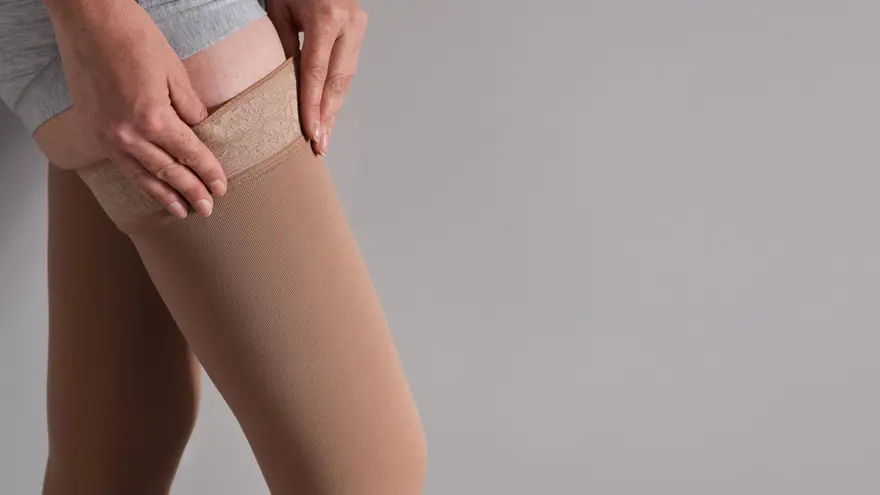
Compression therapy is one of the most evidence-supported methods for reducing postoperative swelling.
Why compression works:
- Prevents fluid from accumulating in empty fat spaces
- Supports reattachment of skin to underlying tissue
- Encourages efficient lymphatic drainage
- Reduces the risk of contour irregularities
At Brown Eye Medical Clinic, compression garments are selected based on treatment area, body proportions, and tissue elasticity, not generic sizing.
Clinical recommendations:
- Wear compression 24 hours a day for the first 2–3 weeks
- Remove only for hygiene
- Transition to daytime use for an additional 2–3 weeks, depending on healing progress
- Compression should feel supportive, not painful—overly tight garments can actually impair circulation
Patients who are consistent with compression almost always experience faster visible refinement.
2. Start Gentle Walking—Earlier Than You Think
Extended bed rest may feel intuitive, but it can actually slow recovery.
Gentle walking stimulates:
- Lymphatic flow
- Venous circulation
- Oxygen delivery to healing tissues
Our standard guidance:
- Begin slow walking within 24 hours
- Short sessions (5–10 minutes)
- Multiple times per day
- No speed walking or strength training yet
Think of movement as a signal to your body that it’s safe to resume drainage and repair.
3. Use Lymphatic Drainage Massage (Timing Matters)
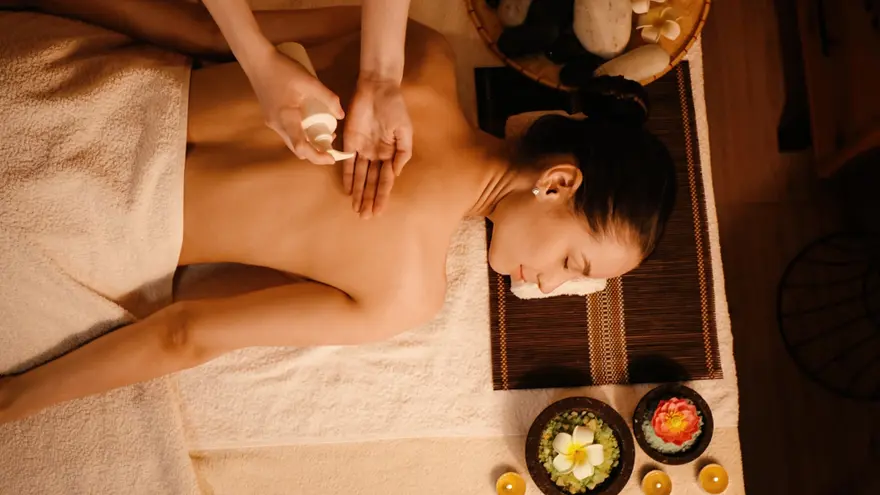
Manual lymphatic drainage (MLD) is one of the most effective tools for managing post-liposuction swelling—when done correctly.
Benefits include:
- Accelerated fluid clearance
- Reduced tissue firmness
- Lower risk of fibrosis
- Improved contour definition
Important timing note:
- Usually initiated 5–7 days post-procedure
- Only after surgical clearance
- Must be performed by trained professionals
At Brown Eye Medical Clinic, we often integrate medically supervised lymphatic therapy, especially for international patients seeking faster recovery before travel or public appearances.
4. Hydration Isn’t Optional—It’s Therapeutic
Swelling is often worse in dehydrated patients.
When fluid intake is inadequate, the body enters a conservation mode—retaining water in tissues.
Clinical hydration strategy:
- 2–2.5 liters of water daily
- Moderate electrolytes if needed
- Minimize alcohol and excessive caffeine
Consistent hydration supports kidney function and lymphatic clearance, reducing overall edema.
5. Reduce Sodium, Not Calories
Recovery is not the time for extreme dieting.
What matters more than calorie restriction is electrolyte balance.
Nutrition priorities:
- Low-sodium meals
- Lean protein for tissue repair
- Potassium-rich foods (leafy greens, avocado)
- Anti-inflammatory nutrients (omega-3 fatty acids)
High sodium intake increases interstitial fluid retention, particularly in recently treated areas.
6. Sleep Position Can Change Swelling Patterns
Gravity influences where fluid settles.
Best practices include:
- Elevating treated areas when possible
- Slight upper-body elevation for abdominal liposuction
- Avoiding prolonged dependent positions
These adjustments reduce uneven swelling and help prevent asymmetry during healing.
What to Avoid (This Matters)
Certain habits can prolong swelling or interfere with final contouring:
- Intense exercise too early
- Heat exposure (saunas, hot baths, jjimjilbangs) for 3–4 weeks
- Non-medical shapewear layered over compression garments
- Smoking or vaping, which significantly impairs circulation
Patients who follow restrictions closely tend to reach their final results sooner and more smoothly.
Swelling Timeline After LSSA Liposuction
Understanding the healing timeline helps reduce anxiety.
Week 1:
Peak swelling, firmness, fluid shifts
Weeks 2–4:
Visible reduction; contours begin emerging
Weeks 6–8:
Most swelling resolved; skin tightening improves
3–6 months:
Final results stabilize
LSSA liposuction often shortens this timeline compared to traditional methods, but individual healing rates vary.
When Swelling Is Normal—and When It’s Not
Expected findings:
- Symmetrical swelling
- Temporary firmness
- Day-to-day fluctuations
Seek medical evaluation if you notice:
- Sudden or worsening pain
- Redness with fever
- Rapid one-sided swelling
Brown Eye Medical Clinic maintains structured follow-up protocols, ensuring patients—local and international alike—are supported throughout recovery.
A Final Thought from the Clinic
At Brown Eye Medical Clinic, recovery is not viewed as an afterthought—it is an integral part of treatment success.
LSSA liposuction is not about aggressive fat removal. It’s about sculpting with intention, respecting anatomy, and guiding the body through a controlled healing process. Swelling reduction isn’t about rushing—it’s about understanding.
With proper compression, movement, nutrition, hydration, and medical guidance, most patients find recovery far more manageable than expected.
Natural results don’t happen by accident.
They happen through experience, precision, and care—long after the procedure itself is complete.
More Articles
Continue reading our clinical guides and insights.
Relieve Knee and Hip Pain with Stem Cell Therapy
Relieve knee and hip pain with advanced stem cell therapy. Discover a non-surgical option to reduce inflammation and restore mobility—book a consultation today!
Learn More

Achieve Firmer, Younger Skin Without Surgery
Achieve firmer, younger-looking skin without surgery using non-invasive treatments. Restore your glow and confidence—explore your options today!
Learn More

How Eyelid Surgery Can Help You Look Less Tired
Discover how eyelid surgery can help you look less tired by reducing puffiness and sagging. Refresh your appearance—schedule a consultation today!
Learn More