Brown Eye Medical Clinic · Eyelid Surgery, Stem Cell Lifting & LSSA Liposuction in Seocho-gu, Seoul
5.0 Patient Satisfaction · Est. 2000
en-US


Medical Guide
How Weather Affects Hyperhidrosis and Bromhidrosis
Discover how weather impacts hyperhidrosis and bromhidrosis, from sweating triggers to odor changes, and get tips to manage symptoms year-round. Learn more!
Schedule a ConsultationIntroduction
If you’ve ever noticed your sweating or body odor getting worse during certain times of the year, you’re not imagining things. Both hyperhidrosis (excessive sweating) and bromhidrosis (unpleasant body odor due to bacterial breakdown of sweat) are conditions that fluctuate with the environment. The weather you live in—whether it’s the hot, humid summers of Seoul or the icy winters—plays a direct role in how these conditions feel day to day.
For patients, this often means symptoms that spike during certain months, adding stress to an already difficult situation. At Browneye Medical Clinic, we’ve treated thousands of patients with hyperhidrosis and bromhidrosis over the past 25 years, and one theme is consistent: weather acts as both an aggravator and, at times, a relief—but rarely a cure. Understanding this seasonal connection is key to managing symptoms effectively.
The Basics: Why We Sweat

Before looking at how weather makes things worse, it helps to understand why sweating happens in the first place.
Sweating is the body’s built-in cooling system. Two main types of sweat glands are at work:
- Eccrine glands: Found all over the body, they produce a watery sweat that cools the skin when it evaporates.
- Apocrine glands: Concentrated in areas like the underarms and groin, they release a thicker sweat rich in proteins and lipids. This type of sweat doesn’t smell on its own—but when skin bacteria break it down, the result is strong body odor.
In hyperhidrosis, eccrine glands go into overdrive, releasing sweat far beyond what’s needed to cool the body. Patients may find their hands dripping even in an air-conditioned room, or their underarms soaking through clothing without physical activity.
In bromhidrosis, the issue isn’t how much sweat is produced but how sweat interacts with bacteria. Since apocrine sweat provides a rich “food source” for bacteria, odor can become intense, persistent, and resistant to standard deodorants.
These underlying biological mechanisms don’t change—but weather amplifies their impact, creating new challenges depending on the season.
Summer Heat and Humidity: The Perfect Storm
It’s no surprise that summer is the most difficult season for patients with sweating and odor disorders.
Excessive Sweating in Heat
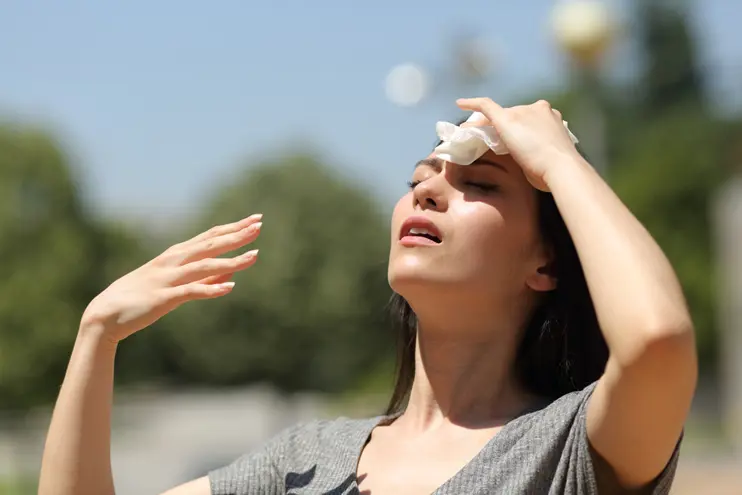
Heat is a direct trigger for sweat glands. For someone without hyperhidrosis, sweating is an inconvenience. For someone with it, summer heat often means constant dampness, stained clothing, and frequent showers that still don’t provide relief. Some patients tell us they avoid social events in the summer simply because they don’t want to deal with the embarrassment of visible sweat.
Humidity Slows Evaporation
Sweat works by evaporation. But in a humid environment—like Seoul in July—the air is already saturated with water, so sweat stays on the skin instead of evaporating. This leaves patients feeling sticky and uncomfortable while also making hyperhidrosis more visible and bromhidrosis more pronounced.
Bacterial Growth and Odor
Clothing and Skin Irritation
At Browneye Medical Clinic, many new patients come to us after a summer of frustration, realizing that their symptoms are not just seasonal discomforts but chronic conditions that deserve medical attention.
Cold Winters: Relief, But Not a Cure
Winter can feel like a welcome break, but for most patients, it doesn’t erase the problem.
Lower Sweating, But Still Present
Colder weather naturally reduces eccrine sweat gland activity, but hyperhidrosis doesn’t disappear. Many patients still experience excessive sweating of the palms, soles, or underarms—even while walking in freezing temperatures. Indoors, heated spaces can paradoxically trigger sweating, especially when moving between cold outdoor air and warm interiors.
Odor in Heavy Clothing
Winter clothing brings its own challenges. Multiple layers trap warmth and moisture close to the skin, recreating the same bacterial incubator effect seen in summer. Thick fabrics such as wool absorb sweat, but they don’t allow it to evaporate, leading to musty odors and discomfort.
Stress-Induced Sweating
It’s also important to remember that not all sweat is temperature-driven. Emotional or stress-induced sweating, triggered by the sympathetic nervous system, is year-round. This type of sweat—released from apocrine glands—is more likely to produce odor, which is why many patients notice bromhidrosis flare-ups during stressful winter situations like job interviews or family gatherings.
Seasonal Transitions: When the Body Gets Confused
Interestingly, many patients tell us that spring and autumn are the most unpredictable times of year.
- Temperature Fluctuations: Rapid changes between cool mornings and warm afternoons make it difficult for the body to regulate itself. The sweat glands may become “overactive” in adjusting, leading to sudden episodes of sweating.
- Layered Clothing Traps Heat: Dressing for variable weather often means layering. While practical, layers trap moisture and create warm pockets on the skin, aggravating both hyperhidrosis and bromhidrosis.
- Allergies and Stress: Seasonal allergies can heighten stress levels and immune activity, which may indirectly increase sweating episodes. Patients often describe feeling “out of sync” with their bodies during these months.
The Hidden Psychological Impact
It’s easy to focus on the physical aspects of sweating and odor, but the psychological toll is just as real.
Patients frequently report anticipatory anxiety tied to seasonal changes. For example:
- “Summer is coming, I’ll be drenched in sweat again.”
- “In winter, I can’t take off my shoes indoors because of the odor.”
This cycle of fear, embarrassment, and avoidance can reduce quality of life as much as the physical condition itself. Studies have shown that patients with hyperhidrosis are more likely to suffer from anxiety and depression. At Browneye Medical Clinic, we make sure to address both the medical and emotional dimensions of these conditions.
How Brown eye Medical Clinic Helps Patients Year-Round
The encouraging news is that effective, minimally invasive treatments exist for both hyperhidrosis and bromhidrosis. At Browneye Medical Clinic in Seoul, Dr. Hansen Lee has developed a treatment approach that adapts to Korea’s distinct seasonal climate while prioritizing natural results and minimal downtime.
Advanced Treatment Options
Botulinum Toxin Injections
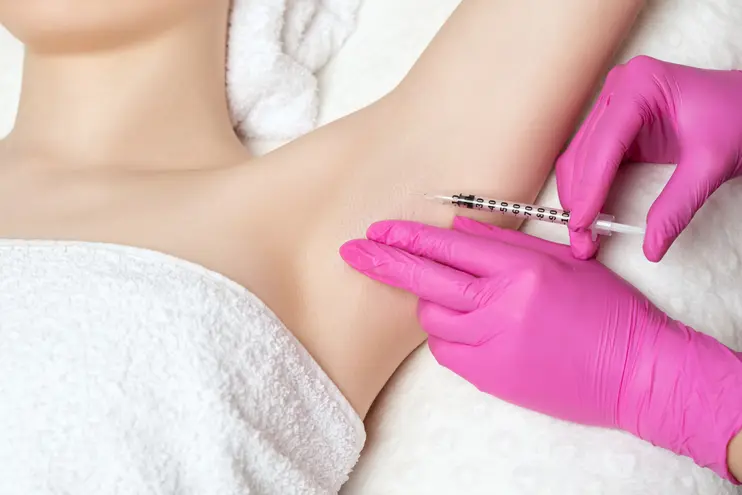
Botulinum toxin works by blocking the chemical signals that stimulate sweat gland activity. It is highly effective in reducing underarm, palm, and sole sweating. Results last 6–12 months, meaning many patients can cover an entire summer season with a single session.
Microneedle Radiofrequency (RF) Therapy
This technology delivers controlled energy into the skin to reduce sweat gland activity. It’s particularly beneficial for bromhidrosis patients, as it not only reduces sweat but also decreases bacterial overgrowth.
Medical-Grade Topicals and Oral Medications
For milder cases or those hesitant about procedural treatments, we provide prescription-strength antiperspirants, oral medications that reduce sweat gland stimulation, and specialized antibacterial washes tailored to skin type.Elsa Liposuction with Sweat Gland Targeting
For patients seeking longer-term relief, our Elsa liposuction technique can selectively remove or reduce sweat glands in problem areas, particularly the underarms. Unlike traditional surgery, this method is minimally invasive and designed to preserve natural appearance.
Lifestyle Guidance
Beyond medical treatments, our team provides personalized lifestyle advice, such as:
- Choosing fabrics that wick moisture rather than trap it.
- Developing seasonal hygiene routines (e.g., antibacterial washes in summer, breathable underlayers in winter).
- Managing diet and stress, both of which can affect sweating and odor.
Our philosophy is that treatment doesn’t end with the procedure—it extends into daily life, ensuring patients can navigate Korea’s shifting climate with confidence.
Final Thoughts
Weather undeniably influences hyperhidrosis and bromhidrosis. Hot summers amplify sweat and odor, while cold winters and layered clothing bring their own set of challenges. Seasonal transitions can be unpredictable, and the emotional toll of anticipating symptoms is often overlooked.
But here’s the key point: weather may worsen symptoms, but it doesn’t define them. With the right treatment plan, patients can regain comfort and confidence in every season.
At Browneye Medical Clinic in Seoul, we’ve helped thousands of patients—from local residents to international visitors—find long-lasting solutions that fit their lives. Whether through advanced procedures like microneedle RF and Elsa liposuction, or through supportive lifestyle guidance, our goal is simple: to help you live freely, without worrying about sweat or odor, no matter what the weather forecast says.
If you’re struggling with hyperhidrosis or bromhidrosis, especially if your symptoms change with the seasons, know that there are safe, effective treatments available. You don’t have to wait for the weather to change—relief can start today.
More Articles
Continue reading our clinical guides and insights.

Relieve Knee and Hip Pain with Stem Cell Therapy
Relieve knee and hip pain with advanced stem cell therapy. Discover a non-surgical option to reduce inflammation and restore mobility—book a consultation today!
Learn More

Achieve Firmer, Younger Skin Without Surgery
Achieve firmer, younger-looking skin without surgery using non-invasive treatments. Restore your glow and confidence—explore your options today!
Learn More

How Eyelid Surgery Can Help You Look Less Tired
Discover how eyelid surgery can help you look less tired by reducing puffiness and sagging. Refresh your appearance—schedule a consultation today!
Learn More