Brown Eye Medical Clinic · Eyelid Surgery, Stem Cell Lifting & LSSA Liposuction in Seocho-gu, Seoul
5.0 Patient Satisfaction · Est. 2000
en-US

Medical Guide
Natural Rhinoplasty Results: Facial Harmony Explained
Natural rhinoplasty results explained: what makes a nose look natural, how facial harmony is planned, and how Browneye in Seoul frames its approach.
Schedule a ConsultationWhat Makes a Nose Look "Natural" After Rhinoplasty? Understanding Facial Harmony
Medically reviewed by Dr. Hansen Lee, MD, PhD, Plastic Surgery Specialist, Browneye Plastic Surgery · Last updated July 2026
Natural rhinoplasty results are what most people actually want when they consider nose surgery: a nose that looks like it belongs on their face, not one that announces it has been operated on. The fear of an "overdone" or artificial result is one of the most common anxieties before surgery. This guide explains, in plain language, what makes a nose look natural, how surgeons think about facial harmony, and how Browneye Plastic Surgery in Seoul describes its own planning approach. It draws on recognized US authorities such as the American Society of Plastic Surgeons, the Cleveland Clinic, Mayo Clinic, and MedlinePlus. What is natural for you is defined at consultation, not by any single ideal.
What does a "natural" nose actually mean?
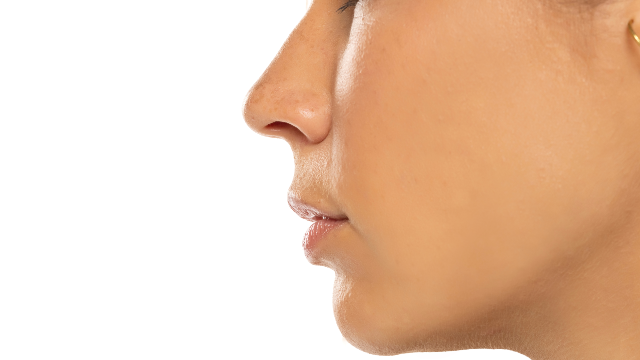
A natural-looking nose is one that is in proportion with the rest of your face and does not draw attention to itself. Naturalness is about balance and relationship, not a single perfect shape.
There is no universal ideal nose. Mayo Clinic emphasizes that rhinoplasty is highly individualized, and that surgeons personalize each operation rather than following a fixed set of steps. That means a nose that looks natural on one person may look out of place on another. The goal of natural rhinoplasty is a nose that:
- Fits your facial proportions and features
- Suits your skin, bone structure, and ethnicity
- Improves what concerned you without erasing your identity
- Looks unremarkable in the best sense, blending into an overall balanced face
In short, natural means harmonious. The nose supports the face rather than dominating it.
How do surgeons assess facial harmony?
Surgeons assess harmony by evaluating how the nose relates to the surrounding features, not by measuring the nose in isolation. Proportion between features is the guiding principle.
Facial analysis for rhinoplasty traditionally considers how the face divides into balanced sections and how the nose sits within them. Published surgical analysis describes assessing the relationship between the nasal base, bridge, and tip, and whether the overall nose is in balance with the size and shape of the face. Surgeons also look at the nose in relation to the forehead, eyes, lips, and chin, because a change to the nose alters how all of these are perceived together.
Browneye frames its planning in this spirit. The clinic notes that the nose, together with the eyes, is one of the most decisive factors in overall facial appearance, and that it plans surgery to pursue a natural, proportional result. This is why a good consultation looks at your whole face, not just your nose.
What features make a nose look overdone?
A nose tends to look overdone when it is changed too aggressively or out of proportion with the face. Recognizing these patterns helps you understand what to avoid.
Commonly cited signs of an unnatural result include:
- An over-reduced bridge that looks scooped or too small for the face
- An overly narrow or pinched tip that no longer matches the nostrils or the rest of the nose
- Excessive rotation that lifts the tip too far upward
- A result that ignores skin thickness, since thick or thin skin behaves differently and influences what shape is achievable
Mayo Clinic notes that individual anatomy, including skin thickness and cartilage strength, influences results, which is precisely why aggressive, one-size-fits-all changes tend to look artificial. Browneye states that it deliberately avoids excessive skeletal alteration and overly aggressive surgical changes, a conservative philosophy aligned with achieving natural, proportional outcomes rather than dramatic ones.
How does Browneye plan for a natural result?
Browneye describes a detailed, individualized planning process built around your specific anatomy, which is the foundation of a natural-looking outcome. The clinic documents the factors it considers before surgery.
According to Browneye, before rhinoplasty it evaluates:
- Nasal height, length, and tip shape
- Bony width of the nose
- The thickness of each skin layer
- Nostril type and shape
- The appropriate implant material for the individual
The clinic states it forms a natural contour using fine tissue and the soft tissue around the ear cartilage, and that it uses a minimal-incision approach intended to reduce swelling and allow a quicker return to daily life. Taken together, these choices reflect a philosophy of subtle, proportional change rather than a dramatic transformation. Because each of these factors is assessed for you individually, the definition of a natural result is set at consultation. You can begin that conversation through the clinic's contact page.
Does skin thickness affect how natural a nose looks?
Yes. Skin thickness is one of the biggest factors in how a nose looks after surgery, because the skin drapes over whatever new framework is created underneath. It shapes the final appearance.
Mayo Clinic notes that individual anatomy, including skin thickness, influences results. Thicker skin tends to hide fine definition and may hold swelling longer, while thinner skin shows the underlying structure more readily, which can make small irregularities more visible. Browneye specifically lists the thickness of each skin layer among the factors it evaluates before surgery. Understanding your own skin type helps set realistic expectations: the same surgical plan can produce different-looking results depending on the skin covering it, which is another reason natural outcomes depend on individualized planning.
Why do results take time to look natural?
The final, natural result appears only after swelling fully settles, which takes many months. Judging a nose too early leads to unnecessary worry.
The Cleveland Clinic describes swelling and bruising that take several weeks to settle, with most swelling resolving over one to three months, and subtle swelling that can persist up to a year before the final result appears. MedlinePlus similarly notes that full recovery takes about a year, though most swelling improves within two to three months.
This matters for naturalness: a nose can look slightly swollen, stiff, or upturned in the early weeks and gradually soften into its true shape. Browneye states its minimal-incision approach is intended to reduce swelling and allow a return to daily activities the next day, while noting that a full timeline should be confirmed with the clinic. Patience is part of achieving a natural look.
How do the nose and surrounding features relate?
The nose never looks natural in isolation; it looks natural in relation to the eyes, lips, chin, and overall face. Harmony is about the whole, not one part.
Browneye's own materials capture this idea, noting that the nose, together with the eyes, is one of the most decisive factors in overall facial appearance. When the nose changes, the way the entire face is perceived changes with it. A slightly smaller nose can make the eyes appear more prominent, and a refined bridge can shift how the lips and chin balance the profile. This is why surgeons evaluate the nose alongside the surrounding features rather than treating it as a standalone object.
Several relationships are commonly considered:
- The nose and the eyes, since the two features anchor the center of the face
- The nose and the chin, since the profile balance between them affects how prominent the nose looks
- The nose and the lips, since the angle where the nose meets the upper lip influences overall balance
Mayo Clinic emphasizes that rhinoplasty is highly individualized and personalized to each patient, which is exactly why these relationships are weighed for your face specifically. A change that creates harmony on one person may not on another, so a natural result depends on planning the nose to fit the face it belongs to. Browneye describes pursuing a natural, proportional result rather than a dramatic transformation, which reflects this whole-face way of thinking.
How can you improve your chances of a natural result?
You improve your odds by choosing an experienced surgeon, communicating clearly, and setting realistic expectations together. Naturalness is a shared goal between you and your surgeon.
Practical steps include:
- Bring reference images that reflect your own features, not someone else's face, and discuss what is realistic for your anatomy.
- Ask how your skin thickness and structure affect the plan, since these shape the outcome.
- Favor a surgeon who explains their reasoning, which the American Society of Plastic Surgeons frames as central to a good outcome.
- Prioritize proportion over dramatic change, consistent with a conservative, natural-looking philosophy.
The American Society of Plastic Surgeons advises that a surgeon's experience and your comfort with them matter as much as any other factor. You can review Dr. Hansen Lee's background on the doctor profile page and read patient impressions on the clinic's reviews page.
The Bottom Line
- A natural nose is one in proportion with your face that does not draw attention to itself; there is no single universal ideal, per Mayo Clinic.
- Surgeons assess facial harmony by evaluating how the nose relates to surrounding features, not the nose alone.
- Overdone results usually come from aggressive or disproportionate changes; Browneye states it avoids excessive skeletal alteration.
- Browneye plans around individual anatomy, including nasal height, tip shape, bony width, skin thickness, and nostril type, to pursue a proportional result.
- The final natural result appears only after swelling settles over months; the Cleveland Clinic notes subtle swelling can last up to a year.
More Articles
Continue reading our clinical guides and insights.

Relieve Knee and Hip Pain with Stem Cell Therapy
Relieve knee and hip pain with advanced stem cell therapy. Discover a non-surgical option to reduce inflammation and restore mobility—book a consultation today!
Learn More

Achieve Firmer, Younger Skin Without Surgery
Achieve firmer, younger-looking skin without surgery using non-invasive treatments. Restore your glow and confidence—explore your options today!
Learn More

How Eyelid Surgery Can Help You Look Less Tired
Discover how eyelid surgery can help you look less tired by reducing puffiness and sagging. Refresh your appearance—schedule a consultation today!
Learn More