Brown Eye Medical Clinic · Eyelid Surgery, Stem Cell Lifting & LSSA Liposuction in Seocho-gu, Seoul
5.0 Patient Satisfaction · Est. 2000
en-US

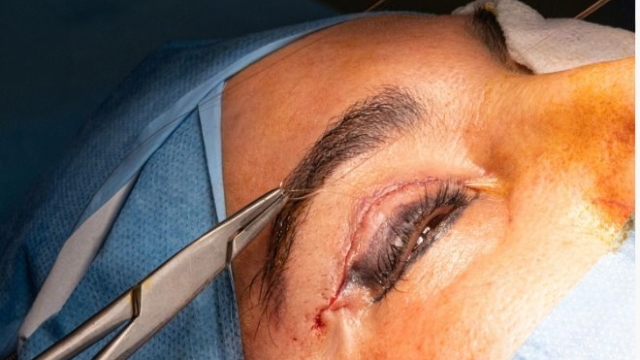
Medical Guide
Revision Eyelid Surgery: Correcting a Previous Result
Revision eyelid surgery aims to correct a previous blepharoplasty. Why it is more complex, and how Browneye Plastic Surgery in Seoul evaluates cases.
Schedule a ConsultationRevision Eyelid Surgery: Correcting a Previous Result
Medically reviewed by Dr Hansen Lee, Plastic Surgery Specialist, Browneye Plastic Surgery · Last updated July 2026
If you are unhappy after a previous eyelid operation, you are not alone, and you are right to research carefully before doing anything else. Revision eyelid surgery is the term for a second procedure that aims to improve or correct the result of an earlier blepharoplasty. People who search for how to fix a bad blepharoplasty, or who are weighing a second eyelid surgery in Korea, are usually looking for honest information rather than reassurance alone. This article explains the common reasons patients consider revision, why a revision is generally more complex and less predictable than a first-time (primary) surgery, and why a thorough, individualised evaluation matters so much. Browneye Plastic Surgery in Seoul assesses each situation individually, and, as with any surgery, results vary and cannot be guaranteed.
Why Patients Consider Revision Eyelid Surgery
Blepharoplasty, or eyelid surgery, is designed to improve the appearance of the eyelids by removing loose skin, addressing puffiness caused by fat, and refining the lids. Most patients heal without needing further surgery. But sometimes the result does not match what a person hoped for, or a functional problem develops, and a revision is considered.
Common reasons patients look into revision eyelid surgery include:
- Asymmetry. The two eyes may not match as closely as the patient would like, whether in crease height, the amount of visible lid, or overall shape.
- Over-correction. Too much skin or fat may have been removed, which can leave the eye looking hollow, or in the case of the upper lid can make it difficult to close the eye fully.
- Under-correction. Not enough tissue may have been addressed, so the original concern, such as sagging skin or puffiness, remains visible.
- Scarring concerns. Scars may be more noticeable than expected, or may have healed in a way the patient finds unsatisfactory.
- Lid-position changes. The lower eyelid corner can pull downward or turn outward (a condition called ectropion), or the lid may not sit correctly against the eye.
- Residual or new functional issues. Some patients experience dryness, irritation, or difficulty closing the eyes and want these evaluated.
It is important to recognise that not every concern after eyelid surgery requires, or benefits from, another operation. Some issues are part of normal healing and continue to improve for months. Swelling can distort early appearance, and scars typically take months to soften and fade. This is one reason careful timing and evaluation come before any decision to operate again.
Why Revision Is More Complex Than the First Surgery
This is the single most important point to understand, and an honest clinic will say it plainly: revision eyelid surgery is generally more complex and less predictable than primary surgery. There are concrete anatomical reasons for this.
Scar tissue. After any operation, the body forms scar tissue as it heals. In a revision, the surgeon is no longer working with untouched, predictable tissue planes. Scar tissue can be firmer, less elastic, and less forgiving than original tissue, and it can make surgical dissection more difficult and healing less predictable. The American Society of Plastic Surgeons notes, in the context of scar revision generally, that scars are the visible, permanent result of healing and that treatment can improve their appearance but cannot erase them entirely.
Altered anatomy. A first surgery changes the starting point. Skin, muscle, and fat may already have been removed or repositioned, so the surgeon has less tissue to work with and must plan around the changes that were already made. When tissue has been over-removed, for example, the challenge shifts from removing to restoring or repositioning, which is a different and often harder problem.
Less margin for error. Because there is less tissue and more scarring, the room to make adjustments is narrower. In the upper lid, removing too much skin can compromise the ability to close the eye. In the lower lid, tension and position are delicate, and pre-existing laxity or a downward pull can be harder to correct once it is established.
Less predictable healing. Even in skilled hands, revised tissue can heal in ways that are harder to anticipate than first-time tissue. This is precisely why no ethical clinic can promise a specific outcome from a revision, and why realistic expectations are central to the whole process.
The American Society of Plastic Surgeons explicitly lists the "possible need for revision surgery" among the recognised considerations of eyelid surgery, which underlines that revision is a known part of the wider picture rather than an unusual event. Understanding that context can help you approach a second surgery with clear eyes rather than false certainty.
The Importance of Realistic Expectations
Realistic expectations are not a disclaimer to skim past; they are part of a safe and satisfying process. Because revision surgery works with altered anatomy and scar tissue, the honest goal is usually improvement rather than perfection, and certainly not a guaranteed appearance. A surgeon may be able to make an eye look more balanced, restore a more natural contour, or address a specific functional problem, but the degree of change achievable depends on how much healthy tissue remains and how the tissue behaves during healing.
Setting expectations well means discussing what is realistically achievable for your specific anatomy, what is unlikely to change, and what trade-offs might be involved. It also means accepting that healing takes time and that early appearances after any eyelid procedure are distorted by swelling and bruising. Mayo Clinic notes that after blepharoplasty, bruising and swelling generally ease over roughly ten to fourteen days, while scars can take months to fade, so patience is genuinely part of the treatment.
A patient who understands these realities before surgery tends to be more satisfied afterward, because the plan and the outcome were discussed honestly from the start. If you are researching options, browsing the clinic's before-and-after gallery may help you frame realistic questions, while remembering that another person's result is not a prediction of your own.
Why Thorough Evaluation Matters Even More in Revision
For a first-time surgery, evaluation is important. For a revision, it is essential. The surgeon must understand not only what you want to change now, but also what was done before, how your tissue has healed, and what is anatomically possible given that history.
Browneye Plastic Surgery documents a structured consultation and diagnosis process for its eye surgery that provides a sensible framework here. It generally includes an initial enquiry through the contact form, a medical assessment of the eyelids, eye shape, skin laxity, fat distribution, and overall facial balance, and a review of medical history covering previous surgeries, medical conditions, medications, and allergies. The surgeon then develops a personalised diagnosis, explains the recommended approach, expected recovery, and potential risks, and discusses realistic outcomes so the patient can ask questions before proceeding.
In a revision context, the review of previous surgery is especially important. Details such as what was removed, how the incisions were placed, and how healing progressed all shape what is advisable now. A careful evaluation may also conclude that waiting longer for healing to complete is the wiser choice, or in some cases that further surgery is not the best path. A responsible assessment is as willing to advise patience or caution as it is to recommend an operation. You can learn more about the surgeon who leads these assessments on the Dr Hansen Lee profile page.
What the Clinic Documents About Eye Surgery
Browneye Plastic Surgery's documented approach to eye surgery (upper and lower blepharoplasty) precisely measures and removes redundant, sagging eyelid skin and, where needed, removes or repositions fat. The clinic's eyelid surgery can also include inner or outer canthoplasty (eye-corner correction) and eye-shape correction where appropriate. These are the building blocks a surgeon may draw on when planning any eyelid procedure, including a revision, although how they apply to a specific revised eye depends entirely on that person's anatomy and history.
The clinic documents that after eye surgery, sutures are removed about five to seven days later, and the surgical scar fades gradually over the following weeks and months. Before surgery, the clinic advises stopping aspirin and similar medications that affect blood circulation for roughly one week, disclosing other medications to the doctor, and preparing sunglasses or a mask to wear afterward. Documented aftercare includes keeping the upper body slightly elevated, avoiding strain on the treated area, not rubbing or pressing the eyes, and keeping the surgical site dry for about one week.
Detailed, procedure-specific risk information and the specifics of how a revision would be planned are best confirmed directly with the clinic during consultation. This article deliberately does not invent specifics; instead it points to general education and defers the individualised detail to a personal assessment.
Recovery and Risk Considerations
Because everyone heals differently, and because revised tissue is inherently less predictable, no clinic can promise how your result will turn out. What a good clinic can offer is a careful evaluation, an honest conversation about what is realistically achievable, and a plan tailored to your anatomy.
The Bottom Line
Frequently Asked Questions
This article is for general informational purposes and does not constitute individualized medical advice. Consult a qualified physician about your specific condition.
More Articles
Continue reading our clinical guides and insights.
Relieve Knee and Hip Pain with Stem Cell Therapy
Relieve knee and hip pain with advanced stem cell therapy. Discover a non-surgical option to reduce inflammation and restore mobility—book a consultation today!
Learn More

Achieve Firmer, Younger Skin Without Surgery
Achieve firmer, younger-looking skin without surgery using non-invasive treatments. Restore your glow and confidence—explore your options today!
Learn More

How Eyelid Surgery Can Help You Look Less Tired
Discover how eyelid surgery can help you look less tired by reducing puffiness and sagging. Refresh your appearance—schedule a consultation today!
Learn More