Brown Eye Medical Clinic · Eyelid Surgery, Stem Cell Lifting & LSSA Liposuction in Seocho-gu, Seoul
5.0 Patient Satisfaction · Est. 2000
en-US
Medical Guide
Rhinoplasty FAQ: Top Questions US Patients Ask Answered
A clear rhinoplasty FAQ for US patients: does it hurt, is it permanent, anesthesia, age, recovery, and realistic results, with grounded, plain answers.
Schedule a ConsultationRhinoplasty FAQ: Answers to the Top Questions US Patients Ask
Medically reviewed by Dr. Hansen Lee, MD, PhD, Plastic Surgery Specialist, Browneye Plastic Surgery · Last updated July 2026
This rhinoplasty FAQ answers the questions US patients ask most often when they start researching nose surgery, whether at home or abroad in a city like Seoul. Rhinoplasty, often called a nose job or nose reshaping, is surgery that changes the shape of the nose and can also improve breathing. Below you will find plain-language answers drawn from major medical sources and, where relevant, from the approach described by Browneye Plastic Surgery. None of this replaces a personal consultation, but it should help you walk into one better informed and with sharper questions of your own.
What does rhinoplasty actually change?
Rhinoplasty can change the size of the nose in relation to the face, the width at the bridge or nostrils, a visible hump or depression on the bridge, and the shape or position of the tip. It can also improve breathing, particularly when a deviated septum, a common cause of nasal obstruction, is corrected at the same time. In short, it addresses both how the nose looks and, when needed, how it works.
Does rhinoplasty hurt?
For most people, no, not severely. Many patients rate their pain quite low in the days after surgery, often between 0 and 4 out of 10, and it is generally well controlled with the medication your surgeon recommends. The more common complaint is congestion, a stuffy feeling caused by swelling and by any soft internal splints placed to support healing, rather than sharp pain.
What kind of anesthesia is used?
Rhinoplasty is typically performed under either local anesthesia with sedation, which numbs the area while medication makes you drowsy, or general anesthesia, which puts you fully to sleep. The choice depends on how complex the surgery is and on surgeon and patient preference. The specific anesthesia used for your procedure at Browneye Plastic Surgery should be confirmed with the clinic during your consultation.
Is rhinoplasty permanent?
The structural changes made to bone and cartilage are lasting, and in that sense the result is permanent. Browneye Plastic Surgery lists a permanent effect and a natural-looking result among the benefits it describes for rhinoplasty. That said, your nose continues to change subtly throughout life, as everyone's does with age, and final results also depend on how your tissues heal. A stable, lasting outcome is the goal, but individual results vary.
How long is the recovery?
Plan for about a week of meaningful downtime. The external splint usually comes off around one week after surgery, and many people feel ready for most daily activities within two to three weeks. Lighter exercise often resumes around four weeks. Subtle swelling, especially in the tip, can persist for months, with most swelling generally gone by about a year, the point at which the result is considered settled.
Are there age requirements for rhinoplasty?
Rhinoplasty is generally considered for patients whose facial growth is complete, which is why surgeons are cautious about operating on younger teenagers. Beyond that, candidacy is based on your health, your anatomy, and your goals rather than a single age cutoff. A qualified surgeon assesses whether the procedure is appropriate for you during a consultation, and specific candidacy at Browneye is determined through the clinic's own assessment.
Who is a good candidate?
Good candidates are generally healthy adults with realistic expectations who have a specific concern they would like addressed. Browneye Plastic Surgery lists indications such as a congenitally crooked nose, a low nasal bridge, a wide or flat nose, a hooked or hump nose, a dull overall facial impression, or a wish for a more natural nasal line. Whether you are personally a candidate is confirmed through the clinic's consultation and nasal examination, which reviews your anatomy, medical history, and breathing.
What is Browneye's approach to nose surgery?
Browneye Plastic Surgery describes a conservative, planning-led philosophy. It states that it avoids excessive skeletal alteration and overly aggressive changes, and uses a minimal-incision approach intended to reduce swelling and support a return to daily activities. Before surgery, the clinic considers factors such as nasal height and length, tip shape, bone width, skin thickness, and nostril shape, aiming for a natural contour formed with fine tissue and soft tissue around the ear cartilage. You can read more on the Browneye Plastic Surgery website.
Will there be visible scars?
When incisions are made inside the nose, scars are hidden. When a small external incision is used at the base of the nose between the nostrils, it is typically well concealed and fades over time. Browneye's stated minimal-incision approach is designed to keep surgical impact modest; the exact technique used for you depends on your anatomy and goals.
How much does rhinoplasty cost?
Cost depends on the complexity of the surgery, the surgeon's training and experience, and location, so there is no single price that fits everyone. For your specific situation, the cost is determined at consultation. Be cautious of any source promising an exact price sight unseen. To ask about your case, reach out through the Browneye Plastic Surgery contact page.
What are the risks?
As with any surgery, rhinoplasty carries risks. General surgical risks include bleeding, infection, and a reaction to anesthesia. Risks more specific to the nose can include difficulty breathing, numbness in or around the nose, an uneven appearance, lasting swelling or discoloration, scarring, or the possibility of needing an additional procedure. Fortunately, serious complications are uncommon, and a good surgeon will discuss how these risks apply to you before you proceed.
How do I choose a surgeon?
Look for a qualified plastic surgeon or facial specialist, verify their credentials, and choose someone who performs nose surgery regularly and communicates clearly. Browneye's sole surgeon, Dr. Hansen Lee, is a Plastic Surgery Specialist and licensed physician in the Republic of Korea with an M.D. and Ph.D., who has passed the USMLE/FSMB examinations and has more than 20 years of experience in aesthetic medicine.
What should I expect from my results?
Very small changes, sometimes only millimeters, can make a real difference in how the nose looks, and an experienced surgeon aims for a result that balances your face and functions well. Browneye describes natural-looking results and a change in facial impression among its goals. Aim for improvement and better facial harmony rather than perfection, and remember that final results take time to appear.
Can rhinoplasty improve breathing?
Yes, in many cases. Beyond appearance, rhinoplasty can address structural problems that make breathing difficult, most commonly a deviated septum, which is the wall between the nostrils being off-center. Correcting it, sometimes described as a septoplasty performed alongside rhinoplasty, can improve airflow. Browneye Plastic Surgery lists improved breathing among the benefits it describes for the procedure. Whether a functional component applies to you is assessed during the nasal examination, which reviews your septum and breathing, so raise any breathing concerns at your consultation rather than assuming surgery is purely cosmetic.
The Bottom Line
- Rhinoplasty changes the shape of the nose and can improve breathing; the structural result is lasting.
- Most patients report only mild-to-moderate pain, with congestion being the more common complaint.
- Anesthesia, exact technique, candidacy, and cost are determined at consultation, so confirm them with the clinic.
- Recovery centers on a one-week splint removal, with subtle swelling settling over months.
- Choose a qualified, experienced surgeon and set realistic, improvement-focused expectations.
Frequently Asked Questions
**Does rhinoplasty hurt?**Most people experience only mild-to-moderate discomfort, often rated low, that is well managed with recommended medication. Nasal congestion from swelling and internal splints tends to be more noticeable than pain.
**Is rhinoplasty permanent?**The changes to bone and cartilage are lasting, and Browneye lists a permanent effect among the procedure's benefits. Your nose still changes subtly with age, and healing varies from person to person.
**What anesthesia is used for a nose job?**Typically either local anesthesia with sedation or general anesthesia, chosen based on complexity and preference. Confirm the specific plan for your procedure with the clinic.
**Is there a minimum age for rhinoplasty?**Surgeons generally prefer to wait until facial growth is complete, and beyond that, candidacy depends on health, anatomy, and goals. A consultation determines whether the procedure is appropriate for you.
**How soon will I see my final result?**You will look much better within weeks, but subtle swelling, especially in the tip, can last months. The final result is generally considered settled at about one year.
**How much does rhinoplasty cost at Browneye?**Cost depends on the specifics of your case and is determined at consultation rather than published as a flat figure. Contact the clinic to discuss your situation.
This article is for general informational purposes and does not constitute individualized medical advice. Surgical candidacy, technique, and expected outcomes can only be determined through a consultation with a qualified plastic surgeon.
More Articles
Continue reading our clinical guides and insights.
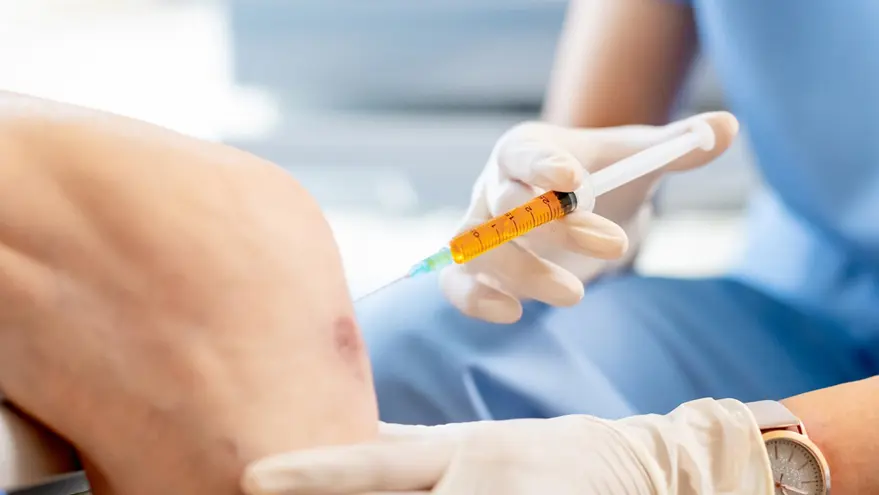
Relieve Knee and Hip Pain with Stem Cell Therapy
Relieve knee and hip pain with advanced stem cell therapy. Discover a non-surgical option to reduce inflammation and restore mobility—book a consultation today!
Learn More

Achieve Firmer, Younger Skin Without Surgery
Achieve firmer, younger-looking skin without surgery using non-invasive treatments. Restore your glow and confidence—explore your options today!
Learn More

How Eyelid Surgery Can Help You Look Less Tired
Discover how eyelid surgery can help you look less tired by reducing puffiness and sagging. Refresh your appearance—schedule a consultation today!
Learn More