Brown Eye Medical Clinic · Eyelid Surgery, Stem Cell Lifting & LSSA Liposuction in Seocho-gu, Seoul
5.0 Patient Satisfaction · Est. 2000
en-US


Medical Guide
The Best Foods to Eat After Eyelid Surgery for Faster Healing
Discover the best foods to eat after eyelid surgery to boost healing, reduce swelling, and support recovery. Nourish your body—optimize your results today!
Schedule a Consultation
If you’ve recently undergone eyelid surgery—or you’re preparing for it—you’re likely thinking about swelling, bruising, stitches, and when you’ll feel comfortable being seen in public again. That’s completely natural. What many patients don’t expect, however, is how much their daily meals influence that timeline.
To be honest, recovery isn’t something that happens only in the operating room. Surgery is the starting point, but healing unfolds quietly afterward—at home, during rest, and very much at the dining table.
At Brown Eye Medical Clinic, we’ve guided eyelid surgery patients through recovery for over 25 years. With more than 2,000 procedures performed annually, one observation comes up again and again: patients who eat intentionally after surgery tend to heal faster, swell less, and feel more in control of their recovery.
This article keeps the focus simple and practical—what to eat, why it matters medically, and how to support your body during eyelid surgery recovery—without overcomplicating the process.
Why Diet Matters After Eyelid Surgery
Eyelid surgery (blepharoplasty) involves extremely delicate tissue. The eyelids have some of the thinnest skin on the body and a dense network of blood vessels and lymphatic channels. This makes the area beautifully responsive to precise surgery—but also sensitive during healing.
After surgery, your body immediately begins:
- Repairing microscopic blood vessels
- Producing new collagen and connective tissue
- Managing inflammation
- Reabsorbing bruising and swelling
All of these processes are biochemically demanding. They require energy, protein, vitamins, minerals, and adequate hydration. Without them, healing still occurs—but it’s slower, less efficient, and often more uncomfortable.
What people often overlook is that post-surgical swelling is not just mechanical—it’s metabolic. The body needs the right raw materials to clear fluid, rebuild tissue, and stabilize results.
The Golden Rules of Post-Eyelid Surgery Nutrition
Before discussing individual foods, it helps to understand the guiding principles we share with patients:
- Focus on anti-inflammatory nutrition
- Include high-quality protein with every meal
- Choose soft, low-effort foods to reduce facial strain
- Maintain consistent hydration
- Avoid foods that increase swelling, bleeding, or dryness
These rules aren’t restrictive—they’re supportive. Think of them as creating a calm internal environment so your body can prioritize healing.
Best Protein-Rich Foods for Tissue Repair
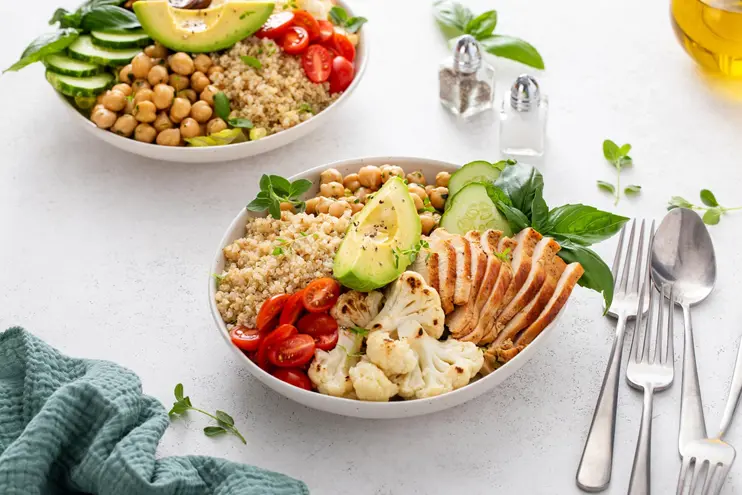
Protein is the cornerstone of surgical recovery. Every incision, stitch, and healing blood vessel depends on amino acids—the building blocks of protein.
After eyelid surgery, protein supports:
- Skin regeneration
- Collagen synthesis
- Immune defense
- Faster resolution of redness and tenderness
Ideal Protein Choices:
- Soft-cooked eggs – Easy to chew and rich in essential amino acids
- Greek yogurt – High protein, gentle texture, and probiotic support
- Silken tofu – Excellent plant-based option with minimal chewing
- Steamed or baked fish (salmon, cod) – Lean protein plus omega-3 fatty acids
- Slow-cooked or shredded chicken breast – Easily digestible when prepared properly
Clinical observation: Patients who unintentionally eat too little protein often report prolonged tightness around the incision line or slower improvement in bruising. Even modest portions, eaten consistently, can make a noticeable difference.
Anti-Inflammatory Fruits and Vegetables That Reduce Swelling
Swelling is a normal part of eyelid surgery recovery, especially in the first week. While cold compresses and rest help externally, nutrition works from the inside.
Anti-inflammatory fruits and vegetables help:
- Neutralize oxidative stress
- Support lymphatic drainage
- Protect fragile healing tissue
Particularly Helpful Options:
- Blueberries and strawberries – Rich in antioxidants that protect healing skin
- Spinach and kale – High in vitamin K, supporting circulation and bruise resolution
- Avocado – Healthy fats that support cell membranes and skin elasticity
- Papaya and pineapple (in moderation) – Contain natural enzymes that may assist inflammatory balance
These foods don’t “eliminate” swelling overnight—but they create conditions that allow swelling to resolve more smoothly.
Vitamin C: The Unsung Hero of Eyelid Healing
Vitamin C deserves special attention after eyelid surgery. It plays a central role in collagen formation, which determines how smoothly incisions heal and how refined the final eyelid contour appears.
Vitamin C-Rich Foods to Include:
- Oranges and mandarins
- Kiwi
- Bell peppers
- Broccoli and lightly steamed vegetables
We often explain it this way to patients: collagen is the framework, but vitamin C is the tool that builds it. Without adequate vitamin C, healing can appear dull or sluggish.
Zinc and Iron: Small Nutrients with Major Impact
Although required in smaller amounts, zinc and iron are critical for surgical recovery.
Zinc supports:
- Wound closure
- Immune function
- Skin integrity
Sources: pumpkin seeds, oatmeal, lentils, chickpeas
Iron supports:
- Oxygen delivery to healing tissue
- Energy levels during recovery
Sources: spinach, lean red meat (soft-cooked), black beans
Deficiencies in these minerals don’t always cause obvious symptoms—but they can subtly delay healing.
Hydration: The Most Overlooked Healing Tool

Hydration affects nearly every aspect of recovery. When the body is dehydrated, circulation slows, lymphatic drainage becomes less efficient, and tissues feel tighter and drier.
Recommended Hydration Options:
- Plain water (small, frequent sips)
- Mild herbal teas such as chamomile or barley tea
- Clear vegetable or bone broths
- Unsweetened coconut water for electrolytes
🚫 Alcohol and excessive caffeine should be avoided for at least 7–10 days, as they increase swelling, dryness, and bruising risk.
Soft Meal Ideas for the First 3–5 Days
Chewing engages facial muscles connected to the eye area. During the early recovery phase, minimizing unnecessary facial movement can reduce discomfort.
Gentle, Recovery-Friendly Meals:
- Scrambled eggs with finely chopped spinach
- Miso soup with tofu
- Greek yogurt with mashed berries
- Steamed white fish with soft rice
- Oatmeal with banana or pear
Patients often underestimate how tiring recovery can be. Soft meals conserve energy and make rest more effective.
Foods to Avoid After Eyelid Surgery
Some foods quietly interfere with healing—even if they seem harmless.
It’s Best to Avoid or Limit:
- Salty foods – Increase fluid retention and swelling
- Spicy foods – Can elevate blood pressure temporarily
- Highly processed snacks – Promote inflammation
- Alcohol – Delays wound healing and worsens bruising
- Hard, crunchy foods – Increase facial strain
If you’re wondering whether avoiding these foods really matters—you’re not alone. But clinically, we often see that patients who ignore these guidelines experience longer-lasting swelling.
How Long Should You Follow a Recovery-Focused Diet?
Most patients benefit from following these nutritional principles for 7 to 14 days, with continued benefits up to one month post-surgery.
At Brown Eye Medical Clinic, we encourage patients to view nutrition as an extension of their treatment—not a temporary inconvenience.
A Final Thought from Our Clinical Team
After eyelid surgery, your body is doing something precise and remarkable—restoring balance, structure, and harmony to one of the most expressive areas of the face.
Surgery provides the foundation.
Nutrition determines how smoothly everything settles.
Patients who support their recovery with thoughtful nutrition often report less anxiety, faster improvement, and greater confidence as healing progresses. And in aesthetic medicine, confidence is part of the outcome.
If you’re preparing for eyelid surgery or currently recovering and want guidance tailored to your procedure, lifestyle, and body, our team is always here to support you—long after the operating room lights are off.
Healing doesn’t need to be rushed.
It needs to be supported—one meal at a time.
More Articles
Continue reading our clinical guides and insights.
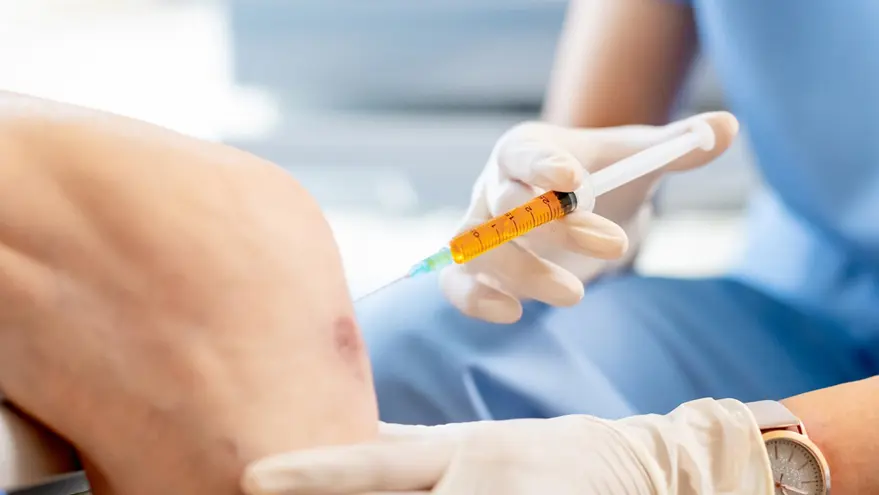
Relieve Knee and Hip Pain with Stem Cell Therapy
Relieve knee and hip pain with advanced stem cell therapy. Discover a non-surgical option to reduce inflammation and restore mobility—book a consultation today!
Learn More

Achieve Firmer, Younger Skin Without Surgery
Achieve firmer, younger-looking skin without surgery using non-invasive treatments. Restore your glow and confidence—explore your options today!
Learn More

How Eyelid Surgery Can Help You Look Less Tired
Discover how eyelid surgery can help you look less tired by reducing puffiness and sagging. Refresh your appearance—schedule a consultation today!
Learn More