Brown Eye Medical Clinic · Eyelid Surgery, Stem Cell Lifting & LSSA Liposuction in Seocho-gu, Seoul
5.0 Patient Satisfaction · Est. 2000
en-US

Medical Guide
Thread Lift Recovery: Time Lifting First Two Weeks
Thread lift recovery, day by day: what to expect from Time Lifting in the first two weeks, including swelling, bruising, tightness, and return to work.
Schedule a ConsultationTime Lifting Recovery: What to Expect in the First Two Weeks
Medically reviewed by Dr. Hansen Lee, MD, PhD, Plastic Surgery Specialist, Browneye Plastic Surgery · Last updated July 2026
For most people, thread lift recovery is one of the main reasons they choose a thread lift over surgery: because the procedure is non-surgical, the downtime is comparatively short. Still, it is not "no downtime," and knowing what is normal in the first two weeks helps you plan, spot anything that needs attention, and avoid worrying about ordinary healing. This guide sets out a realistic recovery picture for Time Lifting, the non-surgical thread lift offered by Dr. Hansen Lee at Browneye Plastic Surgery in Seoul, using the clinic's documented recovery and risk information.
Every person heals differently, so treat the timeline below as general guidance and confirm the specific pre-care and aftercare instructions directly with the clinic.
Why Recovery Is Shorter Than Surgery
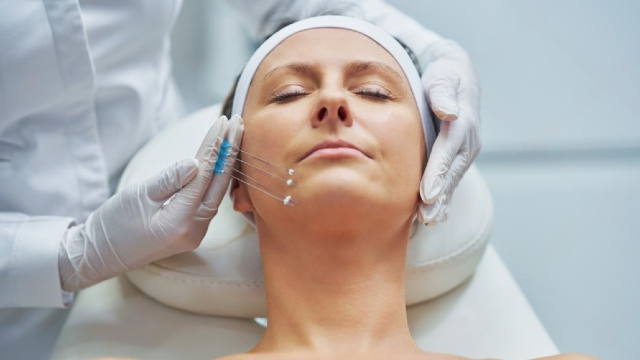
A thread lift uses fine, barbed sutures (dissolvable threads placed under the skin) inserted through small entry points under local anesthesia, with no surgical incision. According to the clinic, Time Lifting involves no incision or surgery: the fine threads are placed beneath the skin to reinforce and lift the elastic support layer and are anchored into the firm tissue of the scalp. Because there is no cutting or removal of skin, the body has far less to heal from than after a facelift, which is why recovery is measured in days rather than weeks for most people. The clinic notes that, being non-surgical, recovery is fast and any swelling typically resolves within about one to two days.
What Is Normal: The Clinic's Documented Side Effects
It helps to know in advance which sensations and marks are expected. Per Browneye's documentation, the common and temporary effects after a thread lift include:
- Swelling
- Bruising
- Pain or discomfort
- Tightness (a pulled or taut sensation)
- Mild asymmetry as swelling settles unevenly at first
These are described as common and temporary. Less common effects include infection, thread visibility or the threads being felt under the skin, dimpling, and minor contour irregularity. Rare effects include thread migration or extrusion (a thread shifting or working its way toward the surface) and nerve irritation. Knowing this tiering helps you understand that some swelling, bruising, and tightness are expected, while anything in the uncommon or rare categories is a reason to contact the clinic.
The First Two Weeks, Step by Step
The following is a general picture of thread lift recovery. Your own experience may be milder or take a little longer.
Day of the procedure
You will likely notice an immediate, subtle lift, along with some swelling and a tight sensation as the local anesthesia wears off. Mild discomfort is common. Plan a quiet rest of the day rather than a busy schedule.
Days 1–2
This is typically when swelling is most noticeable, and the clinic notes it often resolves within about one to two days. Bruising, if present, may appear around the entry points or treated areas. Tightness is usually most pronounced now and is a normal part of the threads settling.
Days 3–7
Swelling and bruising generally continue to subside, and the tight sensation eases. The result begins to look more natural as the initial swelling comes down. Many people feel presentable within this window, though this varies by individual and by how much bruising you had.
Week 2
By the second week, most of the early swelling and bruising has usually resolved for many patients, and the pulled or tight feeling continues to relax. The result looks progressively more natural. Remember that the fully refined outcome keeps developing beyond two weeks: the clinic notes the appearance becomes more natural over 2–4 weeks and collagen-driven firming develops over 1–3 months.
Aftercare: What Helps Recovery Go Smoothly
The clinic's specific pre-procedure and aftercare instructions for Time Lifting should be confirmed directly with the clinic, as they will be tailored to you. That said, general, widely recommended thread lift aftercare principles (which you should verify with your treating specialist) commonly include:
- Be gentle with your face. Avoid pressing, rubbing, or massaging the treated areas while they settle, so the threads are not disturbed.
- Sleep with your head elevated in the first nights to help reduce swelling.
- Ease off strenuous activity for a short period, as vigorous exercise can worsen swelling and bruising.
- Limit wide mouth movements and extreme facial expressions early on, as advised by your clinician.
- Follow any guidance on food, skincare, and dental work timing that the clinic gives you.
- Take any recommended measures for discomfort, such as cold compresses, only as directed by the clinic.
Because these details can differ by patient and thread type, always follow the clinic's own instructions over generic advice. You can request your personalized aftercare guidance through the clinic's contact page.
When Can I Return to Work and Normal Life?
For many people, a thread lift allows a quick return to daily activities, which is a large part of its appeal. Because swelling often settles within about one to two days and bruising typically fades over the first several days, some patients return to desk-based work quite soon, while those who bruise more easily or who prefer to wait until any visible bruising resolves may take a bit longer. If your job or social calendar is a factor, plan a buffer of a few days and discuss timing at your consultation. Avoid booking a major event immediately after the procedure, since the most natural look takes a few weeks to fully emerge.
What Affects How Smoothly You Heal
Several factors influence your recovery experience:
- The number of threads and areas treated: more extensive treatment can mean a little more swelling.
- Your tendency to bruise: some people bruise more readily than others.
- Technique and thread type: the clinic notes the natural appearance of the result depends on thread shape, length, and insertion direction, which require practitioner experience.
- How closely you follow aftercare: gentle handling of the treated area supports a smoother settling.
When to Contact the Clinic
Ordinary swelling, bruising, tightness, and mild early asymmetry are expected and settle on their own. You should contact the clinic if you notice signs that fall outside normal healing, such as increasing pain rather than improving, spreading redness or warmth that could suggest infection, a thread becoming visible or working toward the surface, persistent or worsening asymmetry, or anything that concerns you. Prompt communication is always the right response when something does not feel like ordinary healing. Reach the clinic through its contact page, and you can learn about the treating specialist on Dr. Hansen Lee's profile.
Managing the Common Effects Day by Day
Knowing how to respond to ordinary healing makes the first two weeks far less stressful. For swelling, keeping your head elevated when resting, especially in the first nights, can help, and any use of cold compresses should follow the clinic's guidance. For bruising, patience is usually the main remedy, as it fades over the first several days; ask the clinic before using any product or supplement intended to speed bruising, since some can affect bleeding risk. For the tight, pulled sensation, reassurance is often what is needed: it is a normal part of the threads settling and typically eases through the first week. For discomfort, follow only the pain-relief guidance the clinic provides, as some over-the-counter medicines are not recommended around procedures. Above all, handle the treated areas gently and avoid pressing or massaging them while everything settles.
Planning a Trip Around Your Recovery
If you are traveling to Seoul for Time Lifting, a little planning makes recovery smoother. Because the procedure is non-surgical with a short recovery, the treatment window is generally modest, but it is wise to allow a buffer of a few days after the procedure before a long flight home, both for comfort and so any initial swelling or bruising can begin to settle. Schedule your treatment early enough in your trip to leave that buffer, avoid planning major events or photographs in the first two weeks, and confirm with the clinic how any follow-up questions will be handled once you return home. Keeping the clinic's contact details to hand means you can reach out promptly if anything falls outside normal healing after you travel.
Protecting Your Result While You Heal
The early weeks are also when good habits protect your outcome. Gentle handling of the treated areas, avoiding vigorous facial movements or treatments as advised, and following the clinic's aftercare instructions all help the threads settle into a natural position. Since the most refined result develops over the following weeks and collagen-driven firming continues for a few months, think of recovery not as a finish line at two weeks but as the first stage of a gradual improvement. Sun protection and gentle skin care during this time support your skin's overall condition as the result matures.
The Bottom Line
Frequently Asked Questions
How long is the downtime after a thread lift? It is short compared with surgery. The clinic notes swelling typically resolves within about one to two days, though bruising can take a bit longer to fade and individual recovery varies.
Is swelling and bruising normal? Yes. Swelling, bruising, pain, tightness, and mild asymmetry are documented by the clinic as common and temporary effects that settle as you heal.
When can I go back to work? Many people return to desk-based work within a few days, once swelling settles and any bruising fades. Plan a short buffer and discuss timing at your consultation, since experiences vary.
More Articles
Continue reading our clinical guides and insights.
Relieve Knee and Hip Pain with Stem Cell Therapy
Relieve knee and hip pain with advanced stem cell therapy. Discover a non-surgical option to reduce inflammation and restore mobility—book a consultation today!
Learn More

Achieve Firmer, Younger Skin Without Surgery
Achieve firmer, younger-looking skin without surgery using non-invasive treatments. Restore your glow and confidence—explore your options today!
Learn More

How Eyelid Surgery Can Help You Look Less Tired
Discover how eyelid surgery can help you look less tired by reducing puffiness and sagging. Refresh your appearance—schedule a consultation today!
Learn More