Brown Eye Medical Clinic · Eyelid Surgery, Stem Cell Lifting & LSSA Liposuction in Seocho-gu, Seoul
5.0 Patient Satisfaction · Est. 2000
en-US

Medical Guide
Upper Eyelid Surgery and Makeup: What Patients Should Expect After
Had upper eyelid surgery? Learn when and how to safely wear makeup after your procedure. Get expert tips for a smooth, beautiful recovery. Read more now!
Schedule a Consultation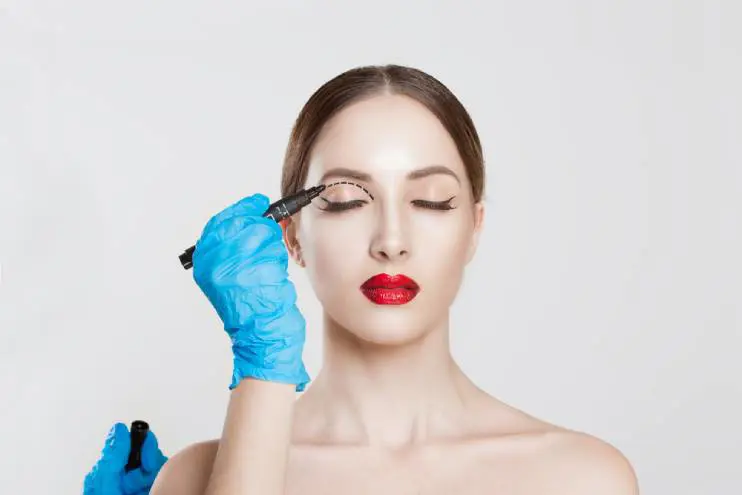
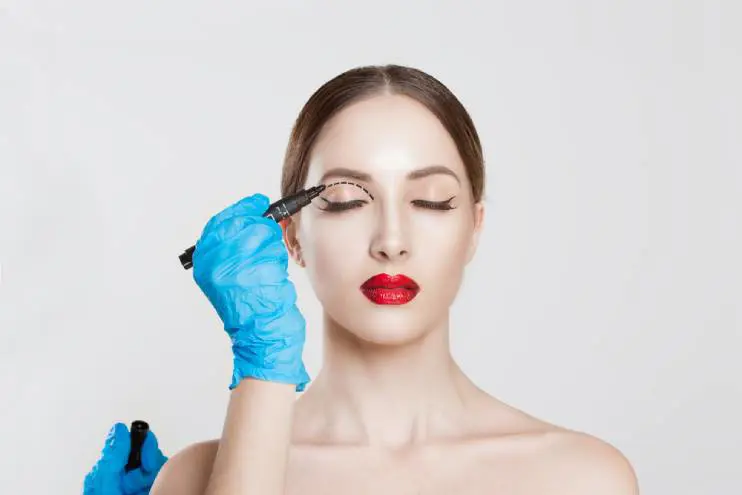
The eyes are often the most expressive feature of the face. They reflect emotion, signal health, and communicate vitality — yet they’re also among the first areas to show signs of aging. For many people, sagging upper eyelids, puffiness, or excess skin can create a tired or aged appearance. Upper eyelid surgery, also called blepharoplasty, has become one of the most popular procedures worldwide because it restores a refreshed, youthful look while preserving the natural character of the eyes.
At Browneye Medical Clinic in Seoul, upper eyelid surgery is one of our most frequently performed procedures. Patients often ask us the same question during their consultation:
“When can I safely wear makeup after eyelid surgery?”
It’s a practical and important concern. For many, makeup isn’t just cosmetic — it’s part of daily routine, self-expression, and confidence. The timing of when to reintroduce it can influence both healing and long-term results.
This article explores what patients should expect after upper eyelid surgery, including recovery milestones, makeup guidelines, and tips for ensuring the safest, most satisfying outcomes.
What Happens During Upper Eyelid Surgery?
Upper eyelid surgery is designed to remove excess skin, fat, or muscle that weighs down the eyelid. At Browneye Medical Clinic, Dr. Hansen Lee specializes in a minimally invasive approach that enhances the eye area without creating an artificial or “overdone” appearance.
The reasons for undergoing upper eyelid surgery vary:
- Cosmetic motivation: To correct sagging or drooping lids that make the eyes look older or tired.
- Functional motivation: In some cases, the excess skin can droop enough to obstruct vision, particularly in the upper visual field.
- Cultural or aesthetic goals: Some patients seek a subtle reshaping of the eyelid crease to achieve symmetry or enhance natural eye contours.
The procedure itself typically takes less than two hours and is usually performed under local anesthesia with sedation. Incisions are carefully placed within the natural eyelid crease, allowing scars to blend seamlessly once healed. After surgery, patients return home the same day, beginning their journey toward recovery.
The Healing Timeline: What Patients Can Expect
Recovery is not a one-size-fits-all process. Healing speed depends on age, skin quality, and individual health factors. That said, most patients can expect the following phases:
Days 1–3: Rest and Protection
- Swelling and bruising are most noticeable during this period. Cold compresses and prescribed ointments are critical.
- The eyelids may feel tight or sore, but discomfort is generally manageable with mild pain medication.
- Makeup is strictly prohibited. Even the lightest application could disturb sutures or introduce bacteria.
Week 1: Early Recovery
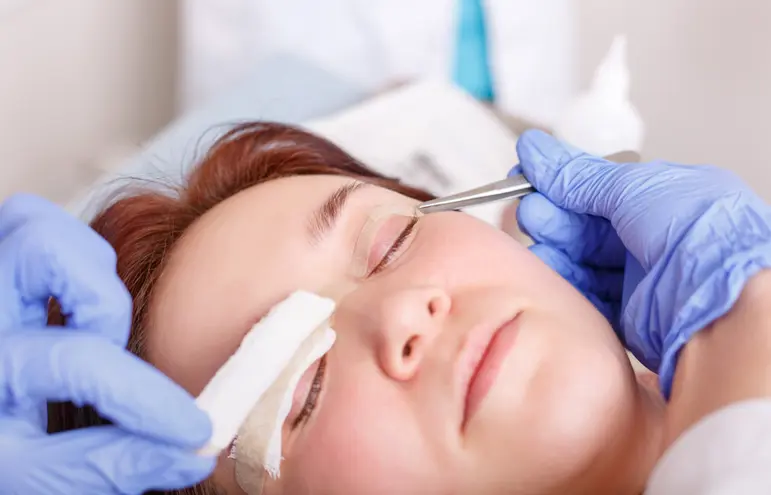
- Stitches, if used, are typically removed between days 5–7.
- Bruising may shift in color from deep purple to yellow-green as it fades.
- Patients often feel ready to resume light activities, but the eyelids are still highly delicate.
- Makeup, including concealer, should be avoided to prevent contamination or irritation.
Weeks 2–3: Transition Phase
- Swelling continues to decrease, and most bruising has resolved.
- Some patients feel self-conscious about residual redness or incision lines. This is when the temptation to use makeup is strongest.
- However, applying cosmetics at this stage can still pose risks — especially if the incision hasn’t fully sealed. Dr. Lee typically recommends patience until at least the fourth week.
Week 4 and Beyond: Gradual Return to Makeup
- At around four weeks, most patients can safely reintroduce makeup under their surgeon’s guidance.
- It’s important to start slowly, using hypoallergenic products and sanitized tools.
- Waterproof or long-lasting products should be avoided initially, since they require forceful removal that could stress the healing tissue.
- Patients who heal faster may resume earlier, while others may need a bit more time. A personalized clearance from the surgeon is essential.
Why Makeup Needs to Wait
Some patients wonder, “If I feel fine, why can’t I just cover up the bruising?”
The answer lies in the biology of healing skin. The eyelid is the thinnest skin on the human body, measuring less than 1 millimeter thick. After surgery, the barrier is even more fragile. Introducing pigments, powders, or makeup remover chemicals too early increases risks of:
- Infection: Bacteria can enter through small gaps in the incision.
- Delayed healing: Tugging, rubbing, or scrubbing makeup off may reopen delicate tissue.
- Scarring: Disruption of the incision can lead to visible or uneven scarring.
- Allergic reaction: Healing skin is more sensitive to preservatives and fragrances.
At Browneye Medical Clinic, we prioritize long-term results over short-term cosmetic fixes. A few weeks of patience can prevent months of complications.
How to Reintroduce Makeup Safely
When the healing process allows, patients can ease back into their makeup routine by following these guidelines:
- Begin with the basics: A tinted moisturizer or light concealer can help even out skin tone without heavy coverage.
- Clean tools only: Brushes and applicators should be freshly cleaned to avoid bacterial contamination. Disposable tools are even better.
- Choose hypoallergenic products: Fragrance-free, ophthalmologist-tested products reduce irritation.
- Skip heavy liners and waterproof formulas: These require aggressive removal, which can pull at delicate skin.
- Gentle removal: Use micellar water or a mild, surgeon-approved cleanser. Avoid rubbing; instead, pat gently.
Think of makeup after eyelid surgery as a gradual reintroduction rather than a return to your old routine.
Skincare and Eye Care During Recovery

Makeup isn’t the only concern after surgery. The right skincare and eye care practices can accelerate recovery and improve results:
- Sun protection: The eyelids are especially vulnerable to UV rays after surgery. Sunglasses and broad-spectrum sunscreen help prevent pigmentation.
- Moisturization: A surgeon-approved ointment or cream can keep healing skin hydrated and reduce tightness.
- Contact lenses: Most patients can resume wearing lenses after 2–3 weeks, depending on healing progress.
These complementary steps ensure not only smoother recovery but also a healthier canvas for future makeup application.
Long-Term Beauty Beyond Makeup
One of the overlooked benefits of upper eyelid surgery is that many patients find they rely less on makeup afterward. With sagging skin corrected and eyelid contours restored, eyeliner applies more smoothly, eyeshadow sits better, and in some cases, patients prefer a natural, makeup-free look.
At Browneye Medical Clinic, it’s common for patients to tell us: “I finally feel comfortable leaving the house without eye makeup for the first time in years.”
This shift highlights the deeper value of surgery: it’s not just about cosmetic change, but about restoring confidence, self-expression, and ease.
The Brown eye Medical Clinic Approach
For more than 25 years, Browneye Medical Clinic has been at the forefront of minimally invasive aesthetic medicine in Seoul. Led by Dr. Hansen Lee, a USMLE-certified physician with extensive international training, the clinic performs over 2,000 procedures annually with a strong focus on natural results and minimal downtime.
Our philosophy extends beyond the operating room. We provide comprehensive pre- and post-operative guidance, addressing not only medical healing but also lifestyle factors such as makeup, skincare, and professional appearance. This holistic approach allows patients to transition smoothly back into daily life while protecting their investment in surgery.
Patients from around the world choose Browneye Medical Clinic for:
- Expertise in Asian and Western eyelid anatomy
- Advanced techniques in non-surgical and surgical lifting
- Personalized recovery plans that consider patient lifestyle
- A reputation built on safety, compassion, and consistent results
Key Takeaways for Patients
- Do not wear makeup until at least 3–4 weeks after surgery, or until your surgeon confirms it’s safe.
- Early makeup use can increase the risk of infection, scarring, or prolonged recovery.
- When makeup is reintroduced, use gentle, hypoallergenic products and practice meticulous hygiene.
- Many patients discover they need less makeup after surgery because their eyes look naturally brighter and more youthful.
✨ Considering upper eyelid surgery in Seoul? At Browneye Medical Clinic, we combine advanced techniques with compassionate care to ensure every patient feels supported through their aesthetic journey. Whether your concern is aging, function, or overall eye aesthetics, we provide individualized solutions designed for long-lasting, natural results.
More Articles
Continue reading our clinical guides and insights.
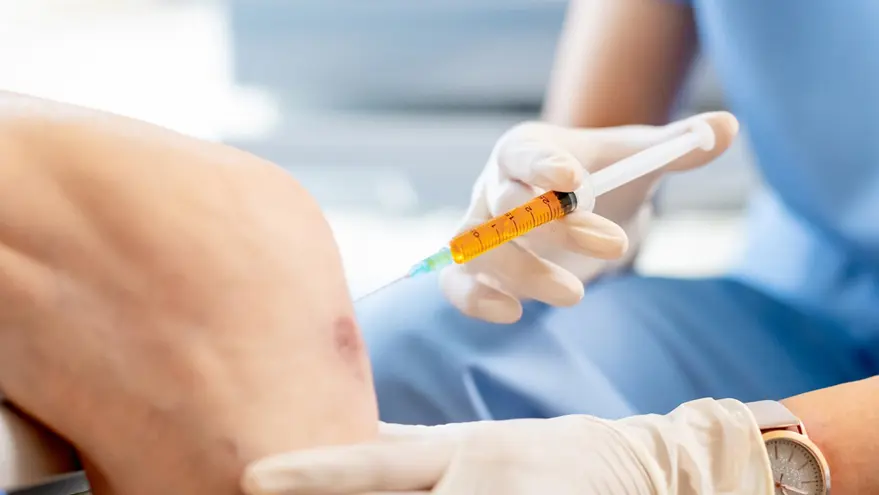
Relieve Knee and Hip Pain with Stem Cell Therapy
Relieve knee and hip pain with advanced stem cell therapy. Discover a non-surgical option to reduce inflammation and restore mobility—book a consultation today!
Learn More

Achieve Firmer, Younger Skin Without Surgery
Achieve firmer, younger-looking skin without surgery using non-invasive treatments. Restore your glow and confidence—explore your options today!
Learn More

How Eyelid Surgery Can Help You Look Less Tired
Discover how eyelid surgery can help you look less tired by reducing puffiness and sagging. Refresh your appearance—schedule a consultation today!
Learn More