Brown Eye Medical Clinic · Eyelid Surgery, Stem Cell Lifting & LSSA Liposuction in Seocho-gu, Seoul
5.0 Patient Satisfaction · Est. 2000
en-US

Medical Guide
What Happens to Your Eyes After Lower Eyelid Surgery?
Learn what happens to your eyes after lower eyelid surgery, from healing stages to results. Get recovery tips and know what to expect post-surgery—read more!
Schedule a ConsultationIntroduction
Your eyes say more about you than almost any other feature — but they also show fatigue and age sooner than most. When puffiness, sagging, or dark circles beneath the eyes begin to set in, even well-rested people can look perpetually tired.
That’s when many patients visit Browneye Medical Clinic in Seoul to ask about lower eyelid surgery, or lower blepharoplasty. It’s one of the most effective ways to restore a refreshed, natural look. But a common question always comes up:
“What actually happens to my eyes after the surgery?”
The answer involves understanding both the healing process and the subtle transformation that unfolds over the following weeks and months.
What Lower Eyelid Surgery Really Does
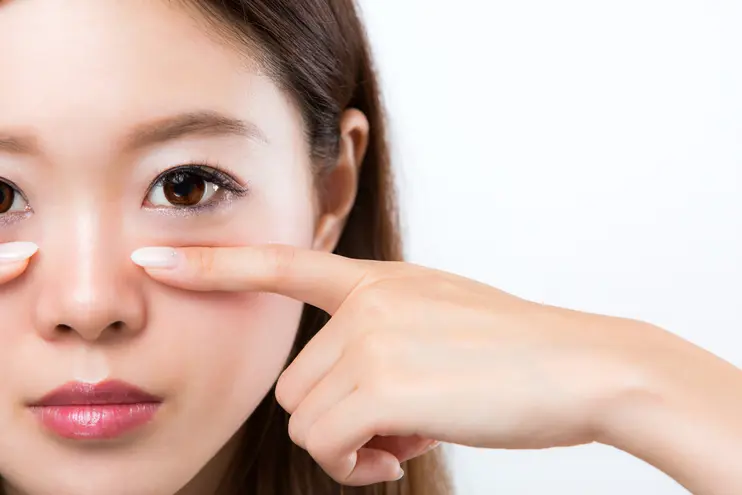
Lower eyelid surgery isn’t about changing who you are — it’s about bringing your natural features back into balance.
As we age, the fat pads under the eyes begin to bulge, while skin and muscle tone decrease. This creates puffiness, shadows, and a tired expression. Lower blepharoplasty carefully corrects these issues by redistributing or removing fat and tightening the surrounding tissue.
At Browneye Medical Clinic, Dr. Hansen Lee, a USMLE-certified physician with over 25 years of experience, follows a refined approach focused on preservation rather than removal. Instead of hollowing the area, he works to smooth and contour it — like restoring a painting’s soft edges rather than redrawing the entire canvas.
The First 48 Hours: Immediate Post-Surgery Reactions
Right after the procedure, your eyes enter their most reactive stage. During the first two days, it’s normal to experience:
- Mild swelling or puffiness around the lower eyelids and cheeks
- Bruising that may range from pink to purplish tones
- Tightness when blinking
- Temporary blurriness (due to protective ointment used during surgery)
- Mild tearing or dryness
These effects are all part of the body’s natural healing response. At Browneye Medical Clinic, every patient receives cooling compress instructions and prescription eye ointment to minimize swelling and protect delicate tissue.
Most describe the sensation as tightness or mild soreness, not pain. The swelling usually peaks within the first 48 hours and then starts to ease.
Week One: The Puffy but Temporary Stage

By day three or four, swelling may increase slightly before subsiding. This is when some patients worry that their eyes look “too puffy” or “uneven.” It’s a normal stage — the tissues are adjusting to their new position.
During this first week, you may notice:
- Puffiness that shifts slightly downward toward the cheeks
- Fading bruises (changing from purple to yellow tones)
- Tightness when smiling
- One eye healing slightly faster than the other
Week Two: The Transition Phase
By the second week, the major swelling and bruising begin to resolve, and you start to see the first signs of your final results.
At this stage:
- Swelling has typically reduced by 70–80%
- Skin tone looks healthier as circulation improves
- Mild tightness may remain, especially when smiling
- Your eyes appear brighter, more defined, and less tired
Most patients feel comfortable returning to social settings around this time. Makeup can safely be used to cover any remaining discoloration, though many find they don’t need as much as before.
Dr. Lee often tells patients:
One Month: A Naturally Rested Look

After about a month, the transformation becomes obvious — though subtle in the best way. The swelling has nearly disappeared, bruises are gone, and the area beneath the eyes looks smooth and well-blended with the cheeks.
Patients often describe this stage like this:
“I don’t look different; I just look like I finally caught up on sleep.”
Months Two to Six: Subtle Refinement
Even after the visible recovery period, the deeper layers of your skin continue to heal. During the next few months:
- Collagen regenerates, improving firmness and texture
- Fat repositioning integrates naturally with surrounding tissue
- Tiny scars (if external) fade to near-invisible lines
- Tear function normalizes completely
By the three-to-six-month mark, your final results have settled in. The transition between your lower eyelid and cheek appears smoother, your skin tone looks brighter, and the tired hollowness that once cast shadows beneath your eyes is gone.
Will It Affect My Vision?
This is one of the most common concerns patients express — and it’s an important one.
When performed correctly, lower eyelid surgery does not affect your eyesight. At Browneye Medical Clinic, Dr. Lee’s minimally invasive technique avoids disturbing the eye muscles, tear ducts, and glands.
However, temporary symptoms such as mild dryness, watery eyes, or light sensitivity are common for a few weeks. These are easily managed with lubricating eye drops and proper rest.
In rare cases, patients might notice the eyes appear slightly rounder or more exposed right after surgery. This is temporary and usually caused by mild swelling or skin tightness, which resolves as healing progresses.
The Emotional Side of Recovery
Physical recovery is only part of the story. Emotionally, the process can feel like a journey of rediscovery.
In the first week, it’s normal to feel anxious about swelling or asymmetry. The eyes are such a central feature — even small changes can feel dramatic. But as healing unfolds, most patients experience a deep sense of relief and renewed confidence.
A patient once told us,
“I didn’t realize how much my tired eyes had affected how I felt about myself. Now, I look in the mirror and finally recognize my expression again.”
Why Experience and Technique Matter
Lower eyelid surgery requires more precision than most facial procedures. The skin around the eyes is the thinnest on the body — even a millimeter of overcorrection can alter the eye’s natural balance.
That’s why Browneye Medical Clinic follows a highly customized assessment process before every procedure. This includes:
- Evaluating eyelid anatomy, fat distribution, and skin elasticity
- Assessing tear production and existing eye conditions
- Mapping the ideal incision line for minimal scarring
- Discussing realistic expectations and lifestyle needs
Depending on your anatomy, Dr. Lee may choose either a transconjunctival approach (inside the eyelid, leaving no visible scar) or a subciliary approach (just beneath the lashes, ideal when skin tightening is needed).
What Makes Brown eye Medical Clinic Different
Located on the 7th floor of the Somang Building, 310 Seochodaero, Seocho-gu, Seoul, Browneye Medical Clinic combines over two decades of surgical and non-surgical expertise.
Under the direction of Dr. Hansen Lee, a USMLE-certified aesthetic physician, the clinic performs over 2,000 procedures annually — specializing in non-surgical facial lifting, stem cell therapy, liposuction, and hyperhidrosis treatment.
What truly sets Browneye Medical Clinic apart is its philosophy:
“We enhance, not alter — and every treatment should bring out your natural vitality, not replace it.”
A Simple Timeline of What Happens After Surgery
Timeframe | What You’ll Notice |
|---|---|
Days 1–3 | Swelling and bruising peak; eyes feel tight or watery. |
Week 1 | Puffiness starts to subside; sutures removed. |
Week 2 | Most bruising gone; you look more awake. |
1 Month | Smooth contours; natural definition returns. |
3–6 Months | Final results appear — refreshed eyes with natural expression. |
Final Thoughts
So, what really happens to your eyes after lower eyelid surgery?
They don’t change who you are — they simply reveal a clearer, more rested version of you. The healing journey may take time, but each phase brings you closer to results that look authentic and feel effortless.
If you’re considering lower eyelid surgery in Seoul, Browneye Medical Clinic offers a blend of advanced medical expertise, artistry, and compassionate care. With more than 25 years of experience, Dr. Hansen Lee ensures every procedure enhances your natural beauty — safely, subtly, and beautifully.
More Articles
Continue reading our clinical guides and insights.
Relieve Knee and Hip Pain with Stem Cell Therapy
Relieve knee and hip pain with advanced stem cell therapy. Discover a non-surgical option to reduce inflammation and restore mobility—book a consultation today!
Learn More

Achieve Firmer, Younger Skin Without Surgery
Achieve firmer, younger-looking skin without surgery using non-invasive treatments. Restore your glow and confidence—explore your options today!
Learn More

How Eyelid Surgery Can Help You Look Less Tired
Discover how eyelid surgery can help you look less tired by reducing puffiness and sagging. Refresh your appearance—schedule a consultation today!
Learn More