Brown Eye Medical Clinic · Eyelid Surgery, Stem Cell Lifting & LSSA Liposuction in Seocho-gu, Seoul
5.0 Patient Satisfaction · Est. 2000
en-US
Medical Guide
Why 2,000 Yearly Procedures Make Seoul the Hub for Eyelid Surgery
South Korea has firmly established itself as the global epicenter of aesthetic and reconstructive medicine.
Schedule a ConsultationSouth Korea has firmly established itself as the global epicenter of aesthetic and reconstructive medicine. In 2024, eyelid surgery (blepharoplasty) became the most performed surgical procedure worldwide, with over 2.1 million cases globally—a 13.4% increase from the previous year. In Seoul alone, the concentration of expertise is unparalleled; top-tier clinics now perform approximately 2,000 eye-related surgeries annually, creating a feedback loop of surgical refinement and technological innovation that draws patients from over 200 countries.
For patients in Korea and international medical tourists, the choice of Seoul is driven by more than just volume. It is a decision based on data: South Korea currently holds the highest rate of plastic surgery per capita, and the domestic market is projected to reach USD 4.1 billion by 2035, growing at a CAGR of nearly 9%. At Brown Eye Medical Clinic, this high-volume environment has allowed for the perfection of "Individualized Harmonization"—a philosophy where eyelid surgery is treated not as a standalone procedure, but as a gateway to both functional health and facial symmetry.
Eyelid Surgery in Korea: Benefits, Risks, and Ideal Candidates
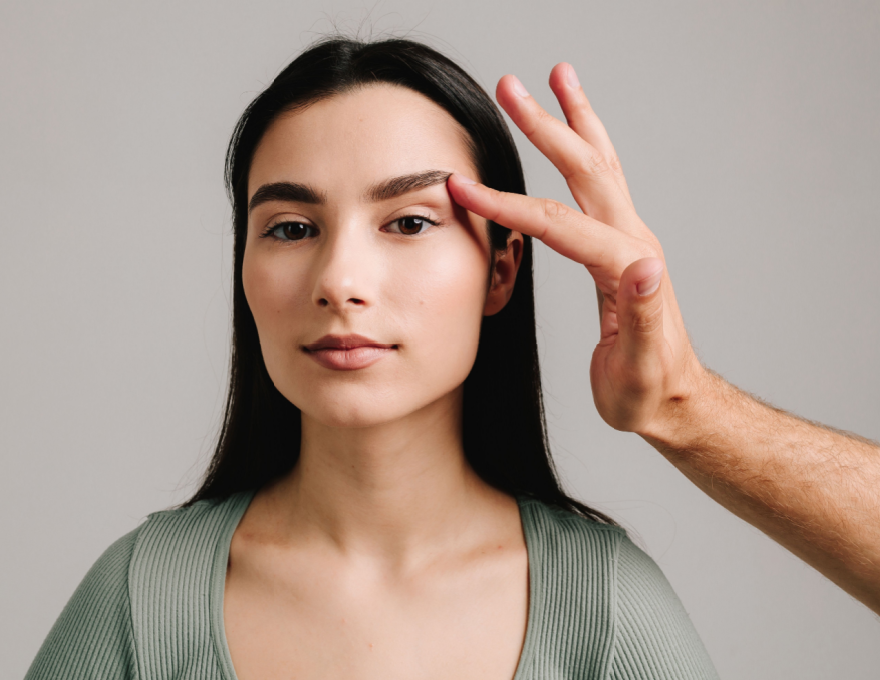
Why is blepharoplasty the "gold standard" of Korean aesthetics? Unlike many western approaches that focus on aggressive skin removal, the Seoul model emphasizes preservation and natural adhesion.
Who is the Ideal Candidate?
- Aesthetic Seekers: Individuals looking for a "double eyelid" crease or to correct asymmetrical eyes.
- Functional Patients: Those suffering from ptosis (drooping eyelids) that obstructs vision or causes chronic forehead wrinkles due to compensatory muscle use.
- Anti-Aging Patients: Middle-aged to elderly individuals (aged 50–70) dealing with dermatochalasis (excessive upper lid skin) or lower lid "bags."
Risks vs. Rewards
While Korea boasts some of the world's lowest complication rates due to high surgical frequency, patients must be aware of potential side effects such as temporary edema (swelling) or lagophthalmos (difficulty closing eyes). However, a 2025 study noted that in controlled clinical settings in Seoul, major complications are exceedingly rare, with most patients achieving complete resolution of edema within 14 days.
How Much Does Eyelid Surgery Cost in Korea vs. Japan and the USA?
Cost is a significant factor in Seoul’s "Hub" status. On average, patients can achieve savings of 40–50% compared to the USA, without sacrificing—and often exceeding—the quality of care.
Comparative Cost Benchmark (2025/2026 Estimates)
| Region | Avg. Eyelid Surgery Cost (USD) | Key Value Proposition |
|---|---|---|
| South Korea (Seoul) | $2,000 – $5,000 | High specialization, regenerative protocols |
| Japan (Tokyo) | $4,500 – $6,000 | Conservative techniques, high luxury costs |
| United States | $5,500 – $8,000+ | Variable expertise, higher anesthesia/facility fees |
The Innovative Approach: Stem Cell-Based Regenerative Medicine
The "Seoul Hub" has moved beyond simple incisions. The most significant advancement in 2026 is the integration of Stem Cell-Based Regenerative Medicine into the surgical pathway.
How Stem Cell Lifting Works
Rather than just cutting away skin, surgeons now use autologous stem cells (derived from the patient's own fat or blood) to rejuvenate the tissue foundation. This "Stem Cell Lifting" works by:
- Tissue Repair: Promoting natural collagen and elastin production at the cellular level.
- Faster Recovery: Utilizing growth factors to reduce the 72-hour inflammatory window.
- Sustainable Results: Delaying the "hollowing" effect often seen years after traditional fat-removal surgery.
Q: Is Stem Cell-Based Regenerative Medicine in Korea worth the cost?
A: Yes. While the initial investment may be higher than a basic "stitching" method, it significantly reduces the need for secondary "filler" injections or revision surgeries. By improving skin elasticity and volume naturally, it offers a more durable, long-term anti-aging solution.
Data and Outcomes: The Standard Path vs. Advanced Regenerative Path
In Korea, the shift toward Stem Cell-Based Regenerative Medicine has redefined patient satisfaction metrics. Traditional blepharoplasty often leaves a "surgical" look for the first 3 months; the regenerative path aims for "Natural Adhesion."
Outcome Comparison Table
| Feature | Conventional Blepharoplasty | Advanced Regenerative Path (Stem Cell) |
|---|---|---|
| Downtime | 7–10 days for basic swelling | 3–5 days with "Accelerated Healing" |
| Scarring | Visible incision line (fade in 6mo) | Micro-incisions + regenerative healing |
| Volume Loss | Potential "hollow" look over time | Volume maintenance via cell therapy |
| Long-term Stability | High (but skin continues to age) | Enhanced due to cellular rejuvenation |
Local Korea Insights: The "Golden Ratio" Culture
In Seoul, patient expectations are uniquely high. There is a cultural emphasis on the "Golden Ratio"—ensuring the horizontal width of the eye matches the distance between the eyes. This has led to the rise of Dual Canthoplasty (lateral + lower), a signature Korean technique that creates a softer, almond-shaped eye. Furthermore, the 2026 trend has shifted from "modification" to "harmonization," where the eyelid is treated as part of a larger biometric facial analysis.
Where Brown Eye Medical Clinic Fits in Eyelid Surgery in Korea
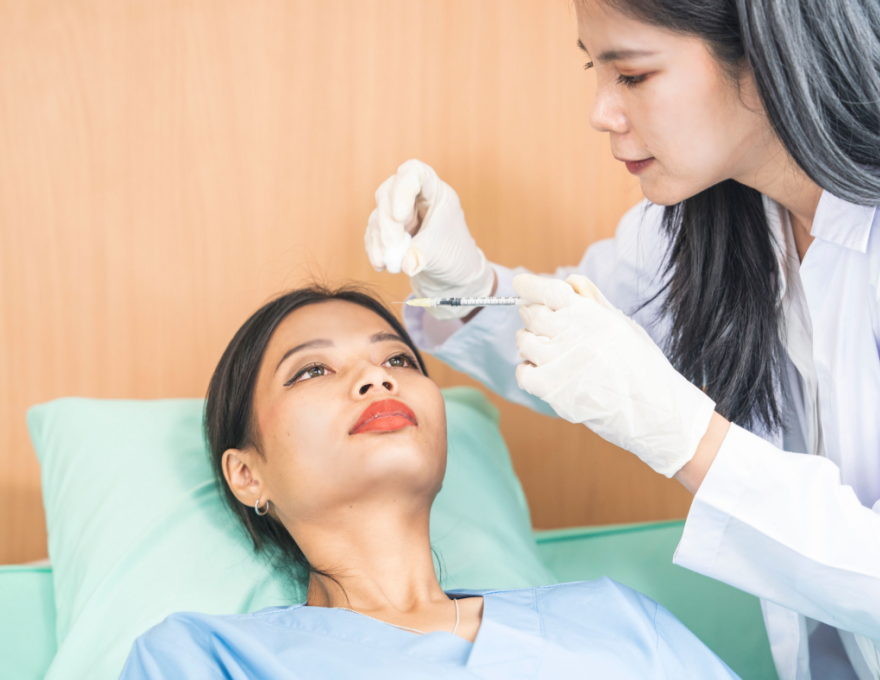
Brown Eye Medical Clinic is a cornerstone of the Seocho-gu medical district. Established in 2000, the clinic has over 24 years of clinical legacy, performing more than 2,000 surgeries annually.
Under the leadership of Dr. Hansen Lee, a USMLE-certified physician with 20+ years of experience, the clinic specializes in:
- Precision Eyelid Surgery: Combining ophthalmological health with aesthetic plastic surgery.
- Advanced Stem Cell Lifting: Integrating regenerative protocols to ensure surgeries look natural and age gracefully.
- Personalized Boutique Care: Unlike "factory-style" clinics, Brown Eye operates with a dedicated 5-bed recovery system to ensure 1:1 patient monitoring.
Dr. Lee’s dual expertise in Internal Medicine and Cosmetic Medicine allows for a unique "whole-body" approach to facial rejuvenation, ensuring that the Stem Cell-Based Regenerative Medicine protocols are safe, evidence-based, and medically guided.
Conclusion
The burden of aging eyelids or functional ptosis affects approximately 1 in 5 adults in aging populations like Korea's. While conventional surgery remains a valid option, the limitations of downtime and potential volume loss have paved the way for more sophisticated care. Stem Cell-Based Regenerative Medicine represents the next frontier in the Seoul surgical hub, offering a path to rejuvenation that works with the body’s natural healing systems.
Patients considering Eyelid Surgery in Korea can schedule a consultation with the specialists at Brown Eye Medical Clinic to discuss whether a regenerative approach is the most suitable path for their long-term aesthetic and functional goals.
More Articles
Continue reading our clinical guides and insights.
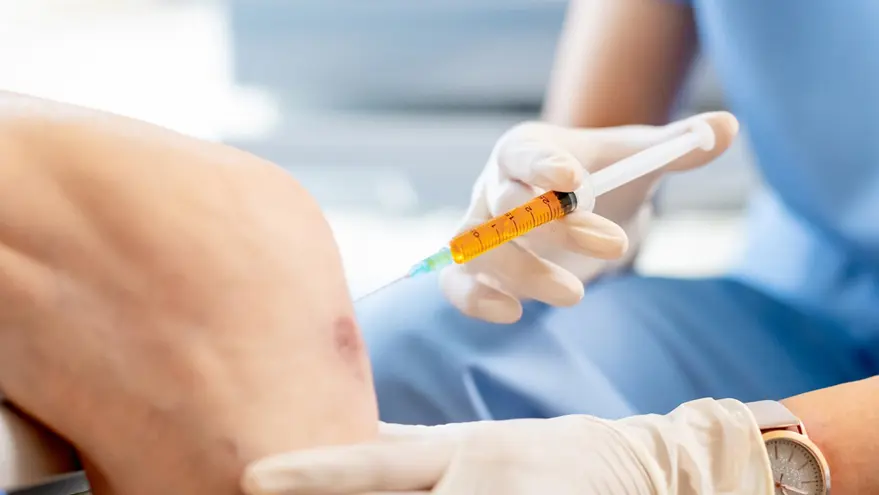
Relieve Knee and Hip Pain with Stem Cell Therapy
Relieve knee and hip pain with advanced stem cell therapy. Discover a non-surgical option to reduce inflammation and restore mobility—book a consultation today!
Learn More

Achieve Firmer, Younger Skin Without Surgery
Achieve firmer, younger-looking skin without surgery using non-invasive treatments. Restore your glow and confidence—explore your options today!
Learn More

How Eyelid Surgery Can Help You Look Less Tired
Discover how eyelid surgery can help you look less tired by reducing puffiness and sagging. Refresh your appearance—schedule a consultation today!
Learn More