Brown Eye Medical Clinic · Eyelid Surgery, Stem Cell Lifting & LSSA Liposuction in Seocho-gu, Seoul
5.0 Patient Satisfaction · Est. 2000
en-US

Medical Guide
Can Upper Eyelid Surgery Fix Hooded Eyes?
Can upper eyelid surgery fix hooded eyes? Yes—learn how this procedure lifts and reshapes for a brighter, more youthful look. Explore your options today!
Schedule a ConsultationTo be honest, hooded eyes are one of the most misunderstood concerns we see in aesthetic medicine—and also one of the most emotionally charged. Patients rarely come in asking purely about anatomy. They come in saying, “People ask if I’m tired,” or “I don’t recognize my eyes in photos anymore.” Sometimes they’re frustrated. Sometimes they’re worried it’s “too late.” And often, they’re not sure whether surgery is the right step.
The short answer is yes—upper eyelid surgery can effectively fix hooded eyes.
The longer, more responsible answer is that how it fixes them, who it works best for, and what kind of result you’ll get depends entirely on anatomical precision and surgical philosophy. When those are aligned, upper eyelid surgery can be one of the most subtle yet impactful procedures in facial aesthetics.
At Brown Eye Medical Clinic, upper eyelid correction is not treated as a cosmetic shortcut. It’s approached as a functional, aesthetic, and deeply individualized procedure—one that should restore openness without erasing identity. That distinction matters more than most people realize.
What Are Hooded Eyes—Really?
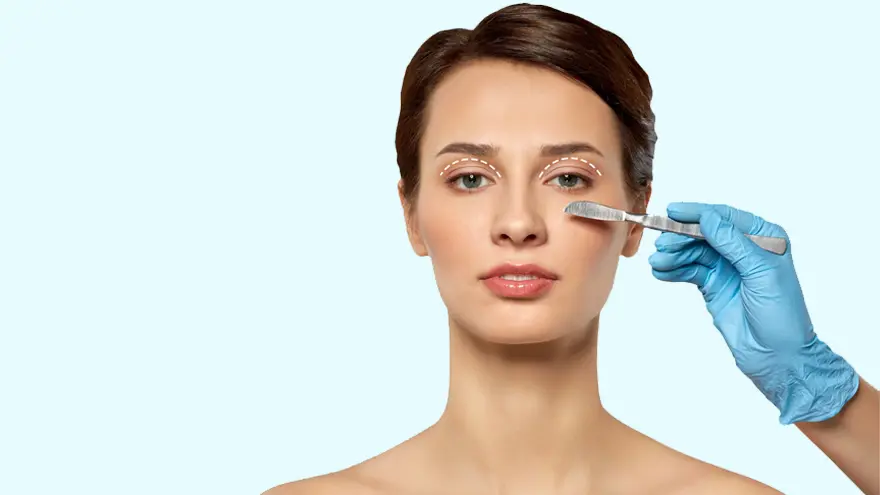
Hooded eyes occur when excess tissue from the upper eyelid folds downward, obscuring the natural eyelid crease and sometimes resting on the eyelashes themselves. This tissue may include skin, muscle, fat—or all three.
What people often overlook is that hooded eyes are not a single condition with a single cause.
Clinically, we see hooding develop due to:
- Genetics – Some patients are born with heavier upper eyelid skin or lower crease anatomy.
- Aging – Skin elasticity decreases, muscle support weakens, and gravity takes over.
- Structural changes – The brow may descend, or the eyelid-opening muscle may weaken.
- Compensatory muscle overuse – Patients subconsciously raise their brows for years, worsening fatigue and tension.
Functionally and visually, hooded eyes can:
- Make the eyes appear smaller or uneven
- Create a perpetually tired or stern expression
- Interfere with eye makeup and skincare
- In advanced cases, partially obstruct vision
And importantly—this isn’t vanity. It’s quality of life.
How Upper Eyelid Surgery Addresses Hooded Eyes
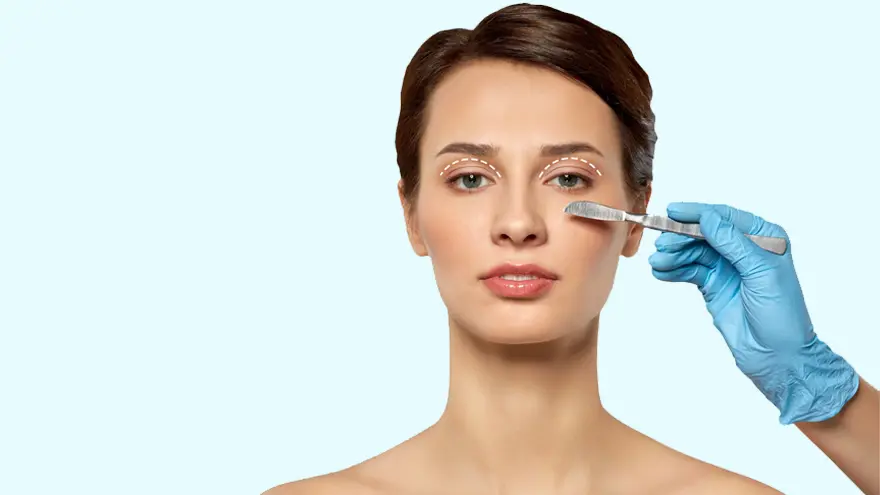
Upper eyelid surgery, or upper blepharoplasty, corrects hooded eyes by removing or repositioning excess tissue that disrupts the eyelid’s natural contour.
But here’s the nuance patients deserve to understand:
This is not about “cutting away skin.”
It’s about restoring balance between structure, movement, and expression.
A well-executed upper eyelid procedure respects how the eye moves, how it closes, and how it ages over time.
What Is Actually Done During Surgery?
During a thoughtfully planned procedure, several elements are addressed:
- Skin: Only the excess skin that causes hooding is removed—no more, no less.
- Muscle: The orbicularis muscle may be refined to reduce heaviness without weakening eyelid closure.
- Fat: Fat is sculpted or repositioned rather than aggressively removed to avoid a hollow or aged appearance.
- Crease design: The eyelid fold is refined to align with the patient’s natural anatomy and facial proportions.
At Brown Eye Medical Clinic, incision placement follows the patient’s existing crease whenever possible, allowing scars to fade into near invisibility over time.
Does Upper Eyelid Surgery Work for All Hooded Eyes?
This is where ethical medicine matters.
Upper eyelid surgery works exceptionally well when hooding is caused by:
- Excess upper eyelid skin
- Mild to moderate fat protrusion
- Localized eyelid laxity
However, not all hooded eyes originate from the eyelid alone.
If the primary cause is:
- Brow descent
- Forehead skin laxity
- Ptosis (weak eyelid-opening muscle)
Then eyelid surgery alone may produce limited or short-lived results.
In these cases, treatment planning may involve:
- Combining eyelid surgery with brow support strategies
- Addressing ptosis directly rather than masking it
- Staging procedures to maintain natural movement
This is why proper diagnosis—not just visual assessment—is essential.
Will My Eyes Look “Too Done”?
If you’re worried about this, you’re already asking the right question.
Overdone eyelids usually result from:
- Over-removal of skin
- Excessive fat excision
- Crease placement that ignores facial harmony
The consequences can include:
- A startled or unnatural look
- Difficulty fully closing the eyes
- Premature aging due to hollowing
At Brown Eye Medical Clinic, under the direction of Dr. Hansen Lee, the guiding principle is restraint.
The best upper eyelid surgery is the one no one notices—except you.
Patients should look refreshed, not altered. Awake, not artificial.
Upper Eyelid Surgery vs. Non-Surgical Options
Many patients ask whether they can avoid surgery altogether.
The honest answer: it depends on the degree of hooding.
When Non-Surgical Treatments May Help
Non-surgical options can provide mild improvement when:
- Hooding is minimal
- Skin laxity is early-stage
- The patient wants subtle tightening
These may include:
- Energy-based skin tightening
- Neuromodulators to optimize brow position
- Regenerative therapies to improve skin quality
These treatments can support eyelid aesthetics—but they cannot remove excess skin.
When Surgery Is the Better Option
Surgery is more appropriate when:
- Skin physically folds over the eyelid margin
- Vision or comfort is affected
- Makeup application is compromised
- Long-term correction is desired
In simple terms: technology can tighten—surgery can reshape.
Recovery: What Patients Actually Experience
One of the most common fears surrounding upper eyelid surgery is downtime.
In reality, recovery is usually more manageable than patients expect.
Typical recovery timeline:
- Days 1–3: Swelling and mild bruising
- Days 5–7: Sutures removed; swelling subsides noticeably
- Week 2: Most patients feel comfortable in social settings
- Months 1–3: Final refinement as tissues settle
Discomfort is generally minimal, especially when surgery is performed conservatively.
Patients often remark that the psychological adjustment—seeing their eyes open again—is more significant than the physical recovery.
Functional Benefits Beyond Appearance
This is one of the most under-discussed aspects of upper eyelid surgery.
Beyond aesthetics, patients often experience:
- Reduced eyelid heaviness
- Improved peripheral vision
- Less forehead tension from chronic brow lifting
- Decreased eye fatigue by the end of the day
Many patients say:
“I didn’t realize how much effort my eyes were making until they stopped.”
That relief is real—and measurable.
Is Upper Eyelid Surgery Permanent?
Upper eyelid surgery offers long-lasting results, but it does not stop aging.
Factors that influence longevity include:
- Skin quality
- Genetics
- Sun exposure
- Lifestyle habits
That said, most patients enjoy results for 10 to 15 years or more, especially when surgery is timed appropriately and performed conservatively.
Redo surgeries are rarely needed when initial planning is precise.
Who Is an Ideal Candidate?
You may be a good candidate if:
- You have visible upper eyelid hooding
- Your eyes feel heavy or tired
- You are in good general health
- You want natural, proportional results
Chronological age matters far less than anatomy and expectations.
Some patients benefit in their 30s; others wait until their 50s or 60s. The right time is when anatomy—not anxiety—indicates intervention.
Why Technique and Philosophy Matter
Upper eyelid surgery appears simple on paper—and is notoriously unforgiving in practice.
Millimeters matter.
Symmetry matters.
Restraint matters.
At Brown Eye Medical Clinic, every procedure is:
- Individually planned
- Anatomically conservative
- Designed for long-term harmony, not trends
We don’t pursue exaggerated creases or dramatic transformations. We pursue balance—because faces age best when they remain recognizable.
So—Can Upper Eyelid Surgery Fix Hooded Eyes?
Yes.
When properly indicated and thoughtfully performed, upper eyelid surgery is one of the most effective and satisfying treatments for hooded eyes.
The key isn’t just choosing surgery.
It’s choosing the right approach, the right timing, and the right philosophy.
If you’re considering treatment, the most important step isn’t booking surgery—it’s understanding your anatomy. Because your eyes don’t exist in isolation, and neither should your treatment plan.
More Articles
Continue reading our clinical guides and insights.
Relieve Knee and Hip Pain with Stem Cell Therapy
Relieve knee and hip pain with advanced stem cell therapy. Discover a non-surgical option to reduce inflammation and restore mobility—book a consultation today!
Learn More

Achieve Firmer, Younger Skin Without Surgery
Achieve firmer, younger-looking skin without surgery using non-invasive treatments. Restore your glow and confidence—explore your options today!
Learn More

How Eyelid Surgery Can Help You Look Less Tired
Discover how eyelid surgery can help you look less tired by reducing puffiness and sagging. Refresh your appearance—schedule a consultation today!
Learn More